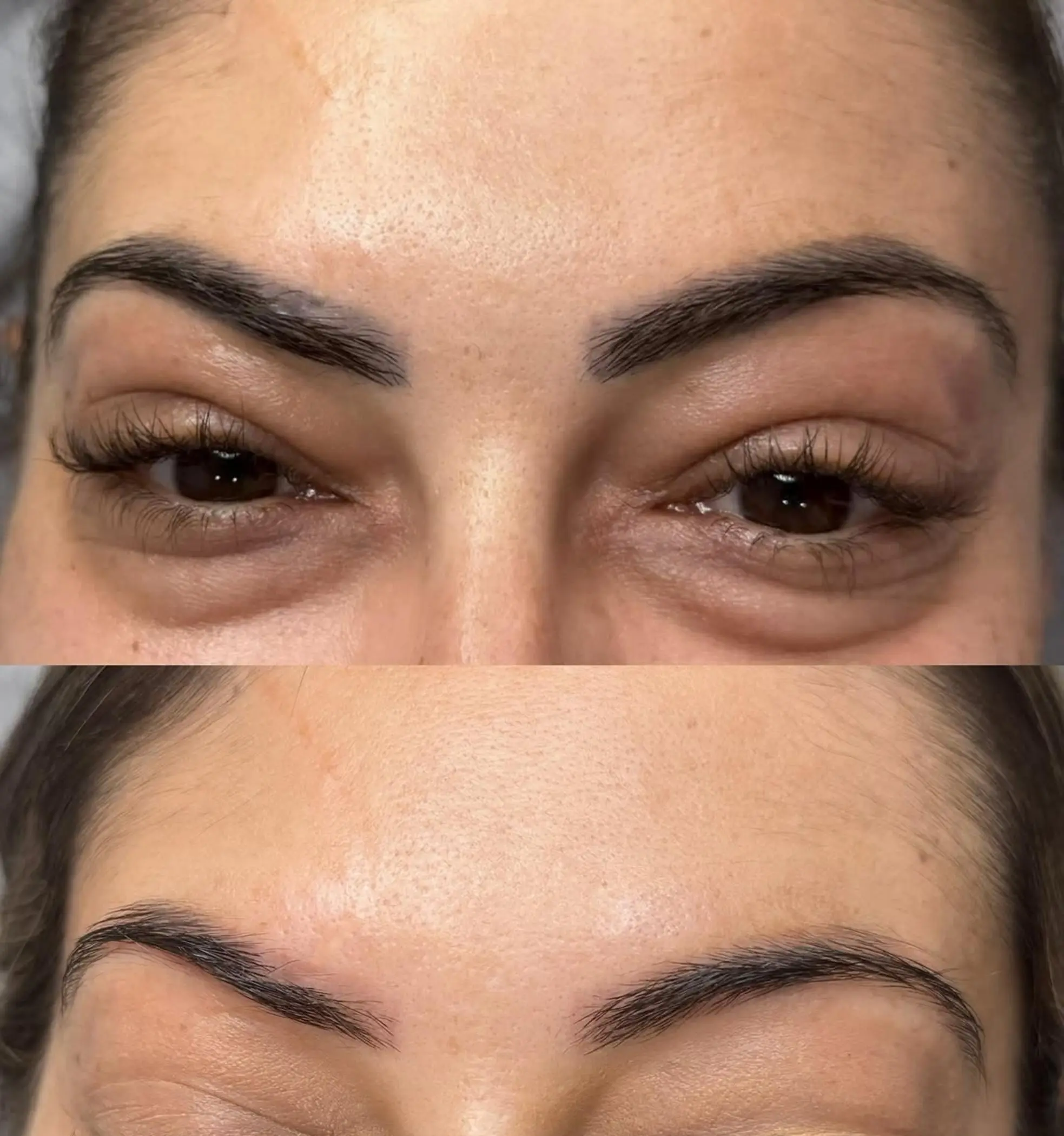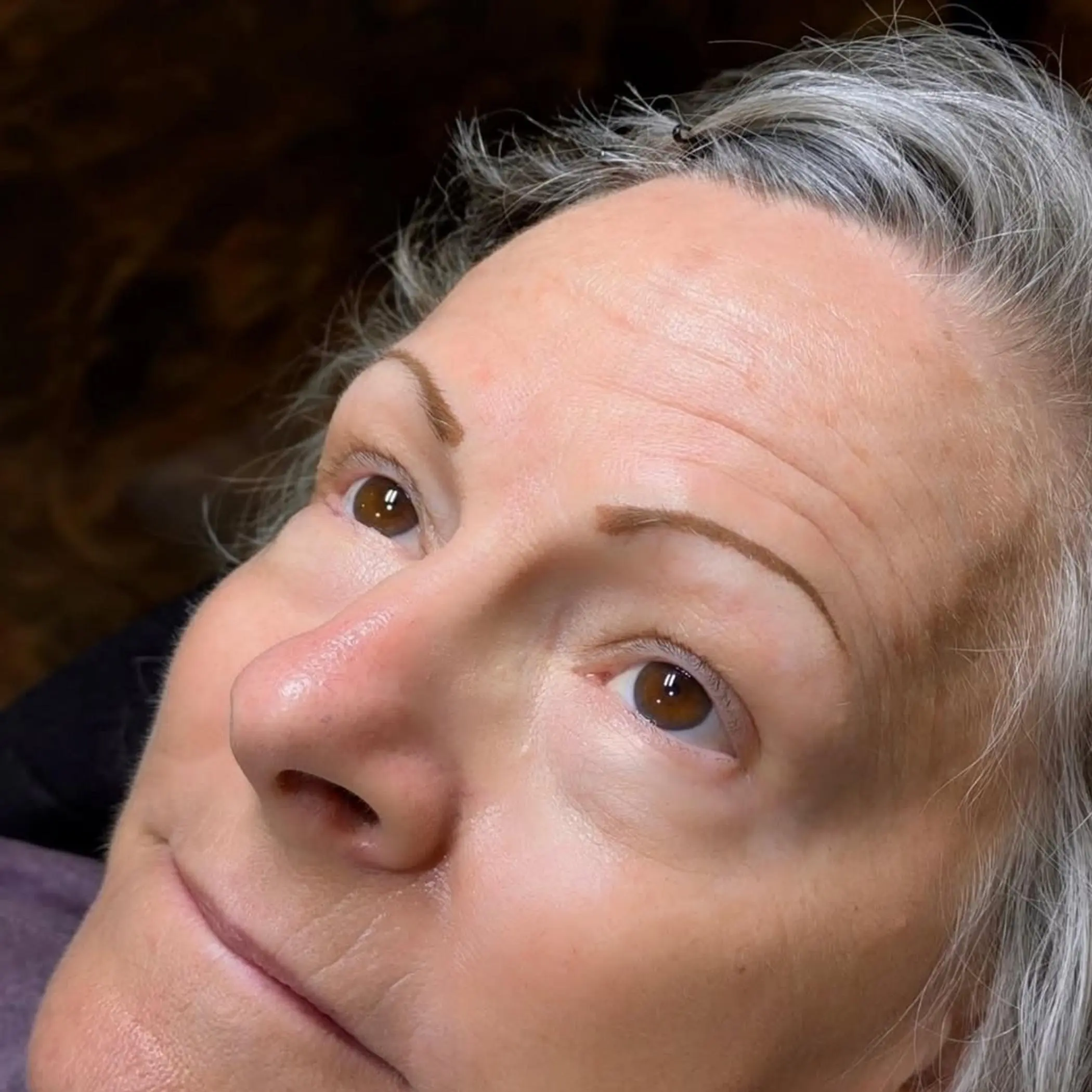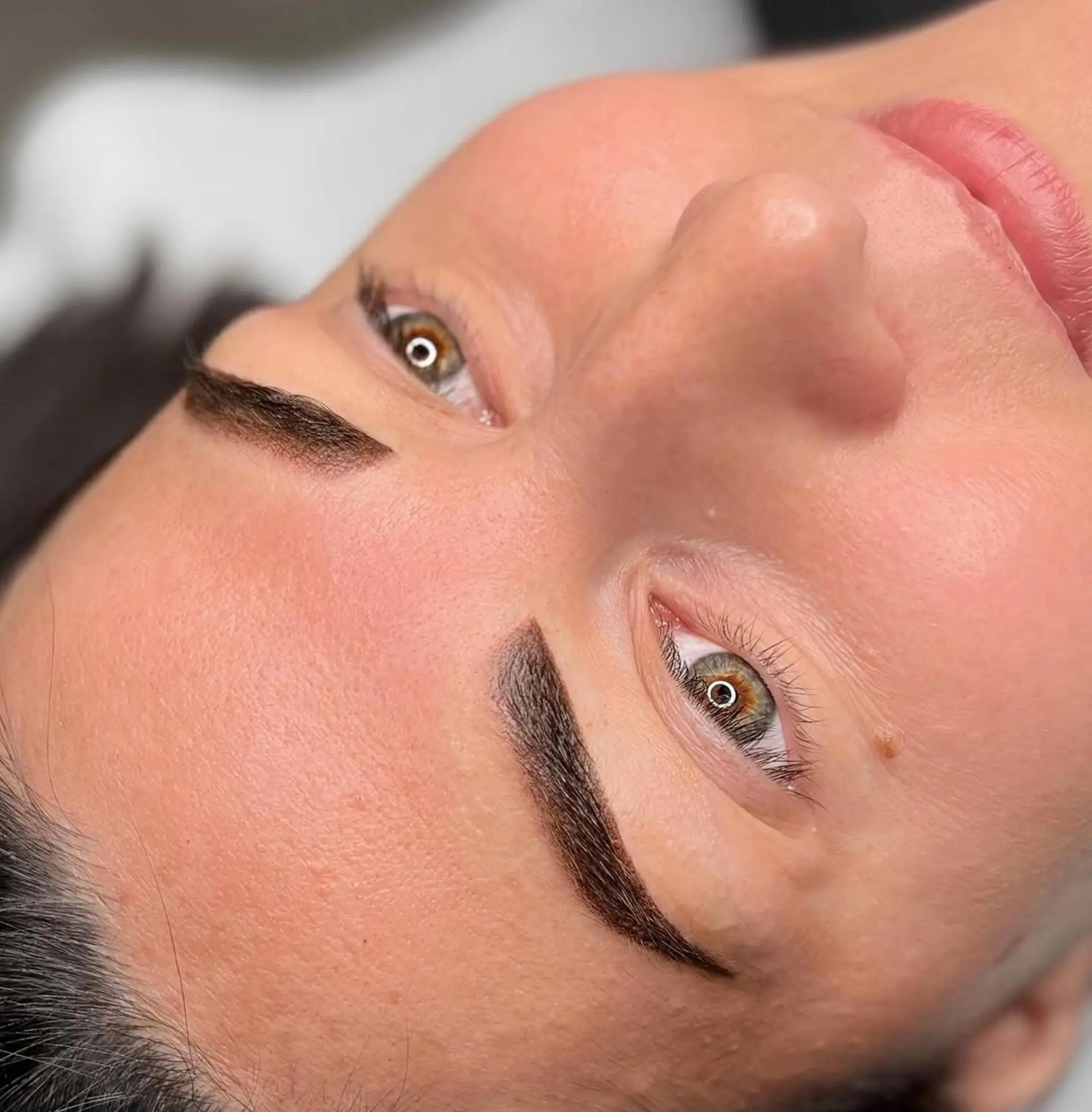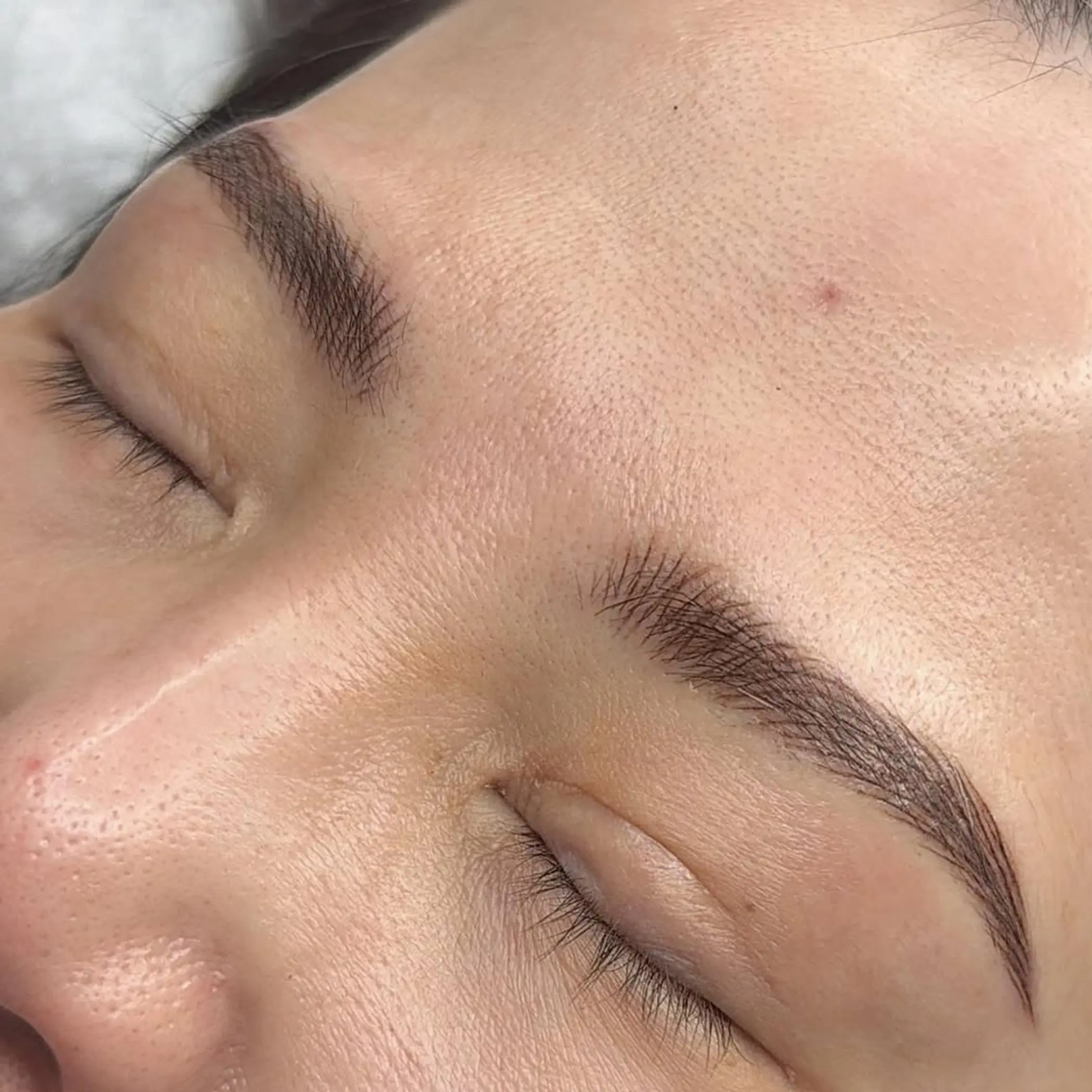
Hard water, eyebrow tattoos and oxidation – is it a recipe for disaster? Well, in real life its not usually a major factor, anything but. The short answer is yes: Australian hard water may play a part in your brow colour shifting faster. Still, the real truth is UV exposure, the type of pigment you’ve been given, your skin type, the technique used, and aftercare all have a much bigger impact on how your brow colour ends up. For those considering permanent solutions, brow tattooing might be an option.
I’m Olha Po, the founder of Cosmetic Tattoo Studio Melbourne Face Figurati, and this is a question I’m asked more often than you’d think. And fair play – if your brows healed up looking ashy, or warm or a weird grey colour, you want to know what went wrong. Was it the water or something else entirely?
Let’s Clear This Up
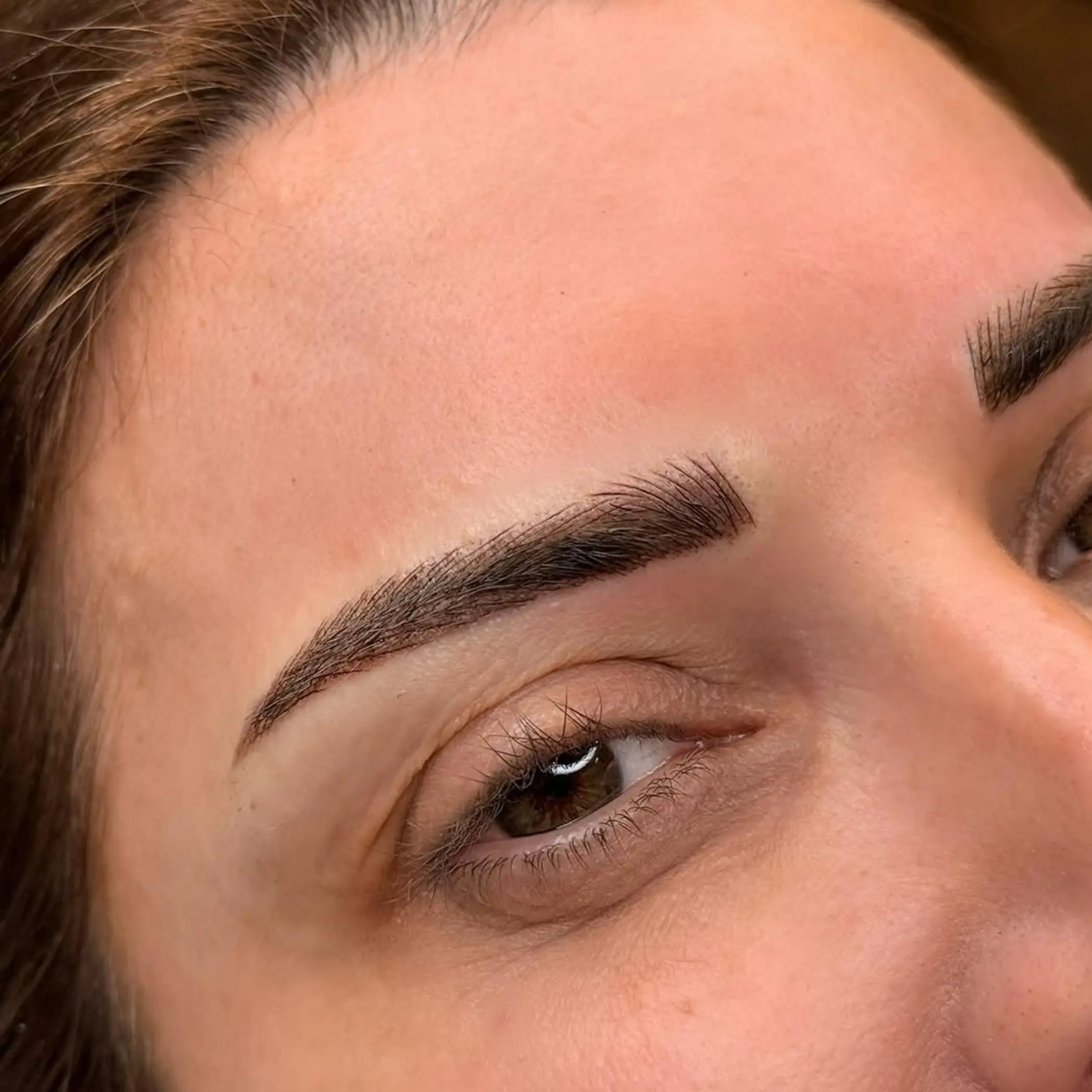
If you live in Australia, especially in areas with mineral-heavy water, then yes, it’s a good idea to consider your water quality when you’re healing. But I’m not saying you should automatically blame your taps for every brow issue – that’s just not the case. I’ve seen clients come into my Melbourne studio convinced that the water in their taps had ruined their brows, when in reality the main issue was that they weren’t looking after their skin properly, or they’d had a dodgy technique done, or that their brows had simply faded because of the sun.
So let’s be real and get to the bottom of it without all the mythical nonsense you’d get in some salons.
What Oxidation Actually Means
When pigment chemistry in your skin shifts over time, that’s known as oxidation – and this can result in your brows turning all sorts of weird colours, including scenarios where hybrid brows fade to orange or grey. That might show up as grey, blue-grey, or even a sort of pinkish hue – its all dependent on what type of formula was used and the natural undertone in your skin to start with. And then there are outside factors to consider, too.Oxidation‘s not the same as fading. Fading‘s when your colour just gets a bit more washed out. Oxidation is when the colour actually changes character. Clients often get these two mixed up, but they’re two distinct problems and need different solutions.
Why Some Pigments Shift Faster
Some cosmetic tattoo pigments are more stable than others. Old formulas and certain types of iron oxide pigments are more likely to change colour, especially if they weren’t matched well to your skin tone to start with – or if they were put in too deep. At Face Figurati, we use top-quality certified materials and the best machines on the market for brow tattooing because, to be honest, cheap ink and a dodgy technique nearly always end up costing more in the long run.
Australia’s Sun Matters More
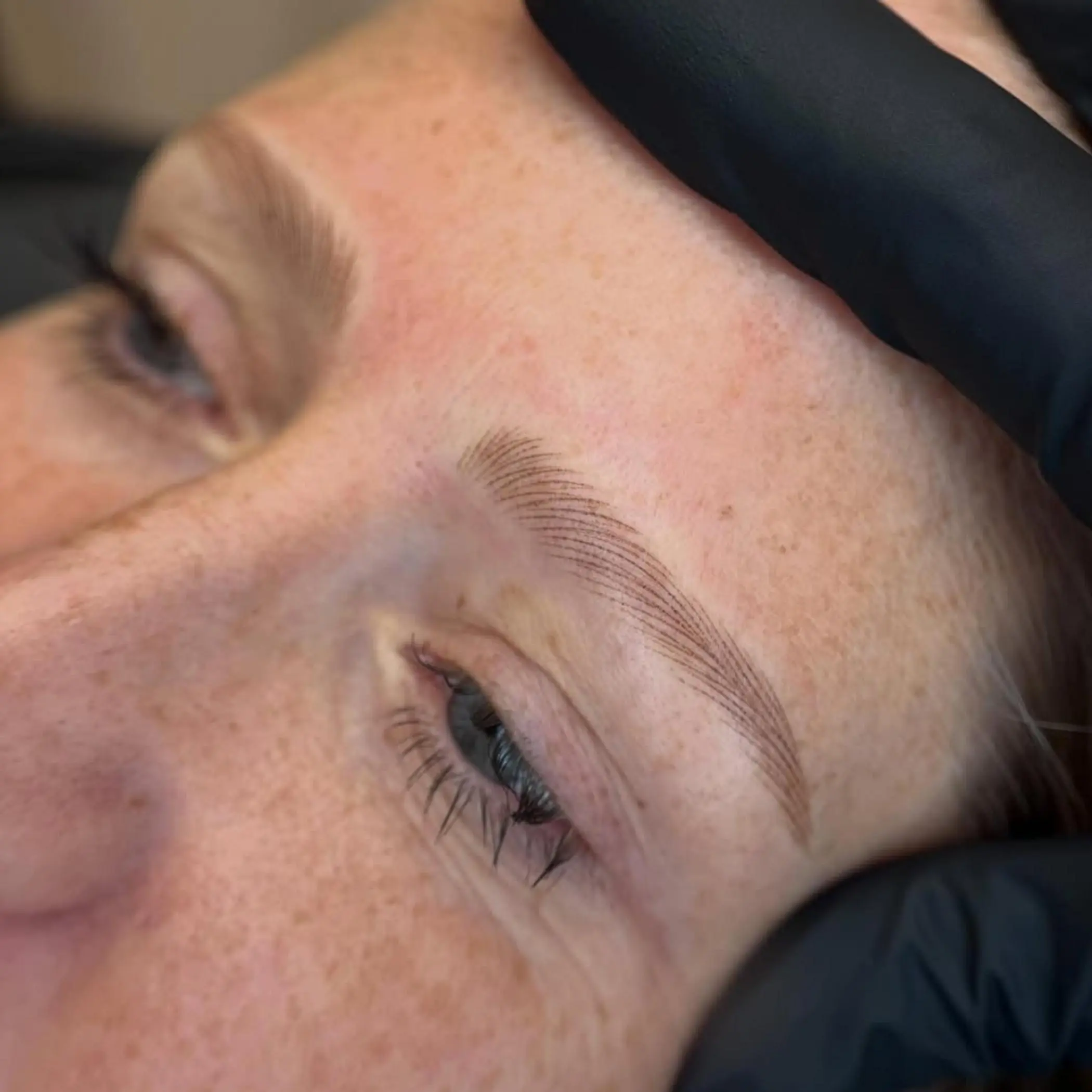
If I had to pick the single biggest reason why eyebrow tattoos in Oz go off, I’d put my money on UV. Our UV index in Australia is just ridiculous, and even a relatively short bout of sun exposure can start breaking down the pigment – and remember, clients are notorious for underestimating the time they spend in the sun.
The thing is, Melbourne can be a bit of a sly one. One minute its all breezy and mild, then suddenly the sun comes out and its like a UV bomb has gone off. And the thing is, the sun isn’t fooled by how it felt; your brows aren’t either.
How UV Changes Brow Colour
UV exposure will essentially trash the pigment molecules and completely change how the colour interacts with the skin, which is a key reason for ombre brow pigment changing colour in the Australian sun – that’s why brows might look great when they’re first healed, but later on they can end up looking a lot duller, warmer or cooler than they did at first.I had one client who had beautiful soft neutral brows to start with – but by the next summer, after a few beach trips and some pretty sketchy SPF habits on her part, the colour had completely shifted and was looking completely ashy – and she’d done nothing but patch up the colour now and again.
| Factor | Likely Impact On Colour Shift | What We Commonly See |
| High UV exposure | High | Faster fading, dull or altered tone |
| Hard water contact | Low to moderate | Dryness, irritation, inconsistent healing |
| Oily skin | Moderate to high | Blurry healed result, faster loss |
| Poor pigment choice | High | Warm, grey, or uneven undertones |
| Incorrect depth | High | Migration, poor retention, colour distortion |
Where Hard Water Fits In
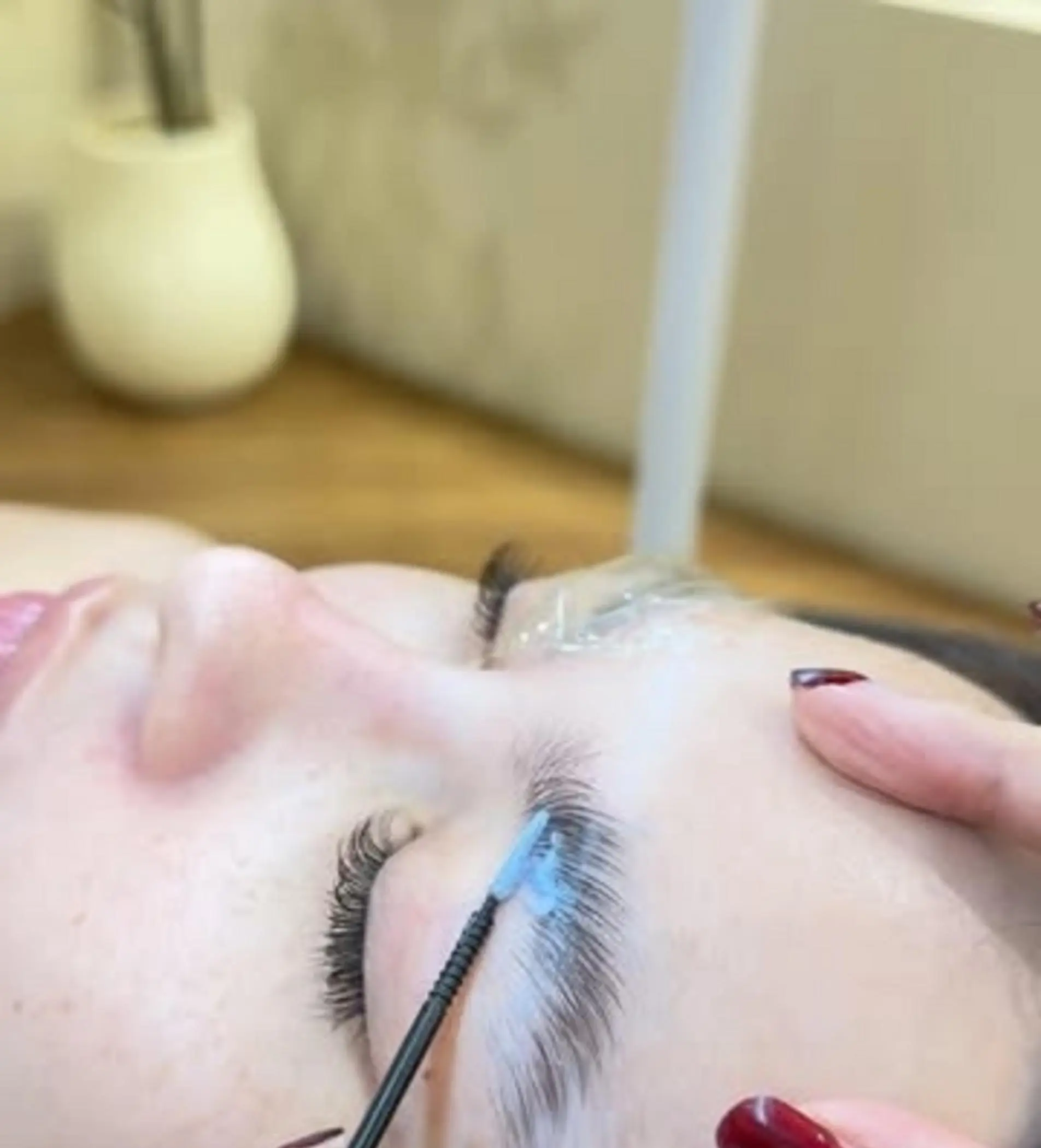
Honestly, hard water isn’t the watercolour-ish nightmare people often imagine – like iron going all rusty on a garden gate. What it does do is sort of set up the conditions that can affect healing, how your skin barrier functions, and how your brow colour holds up in the long run.
Now, that’s the bit that really matters in the first few days after treatment, especially for people with super-sensitive, dry, reactive, or eczema-prone skin. If you’re one of them, minerals can be an extra little stress to deal with.
Minerals, Skin, And Healing
Hard water contains higher levels of calcium and magnesium buildup. These minerals can be found in hard water, which has a high concentration of calcium and magnesium. These minerals can leave behind a residue on your skin, dry out your brows, and make the area feel all tight and itchy. If you go and scrub too hard, overwash, or get irritated because of it, you increase your chances of irritation and of losing some of that pigment.
And that’s why when you’re after a microblading treatment in an area with hard water, the advice is usually to keep things gentle – use a soft cleanser, pat your skin dry, and try to limit your water exposure for a bit if you’re wondering how long before swimming after hybrid brow tattoo. Having a water filter on your eyebrow aftercare can make a difference – especially in those first 7 to 10 days.What Catches Clients Off Guard
Most people get the timing just wrong. They think “oh, one splash of water won’t hurt”, then go and soak the area in water every day, scrub around their brows or wash their hair right over their fresh strokes. What happens if you wash your brow tattoo? It’s not usually a disaster the first time, but all that soaking can soften those scabs a bit too quickly and pull out that pigment before it gets a chance to settle in properly.
Other Factors That Often Win
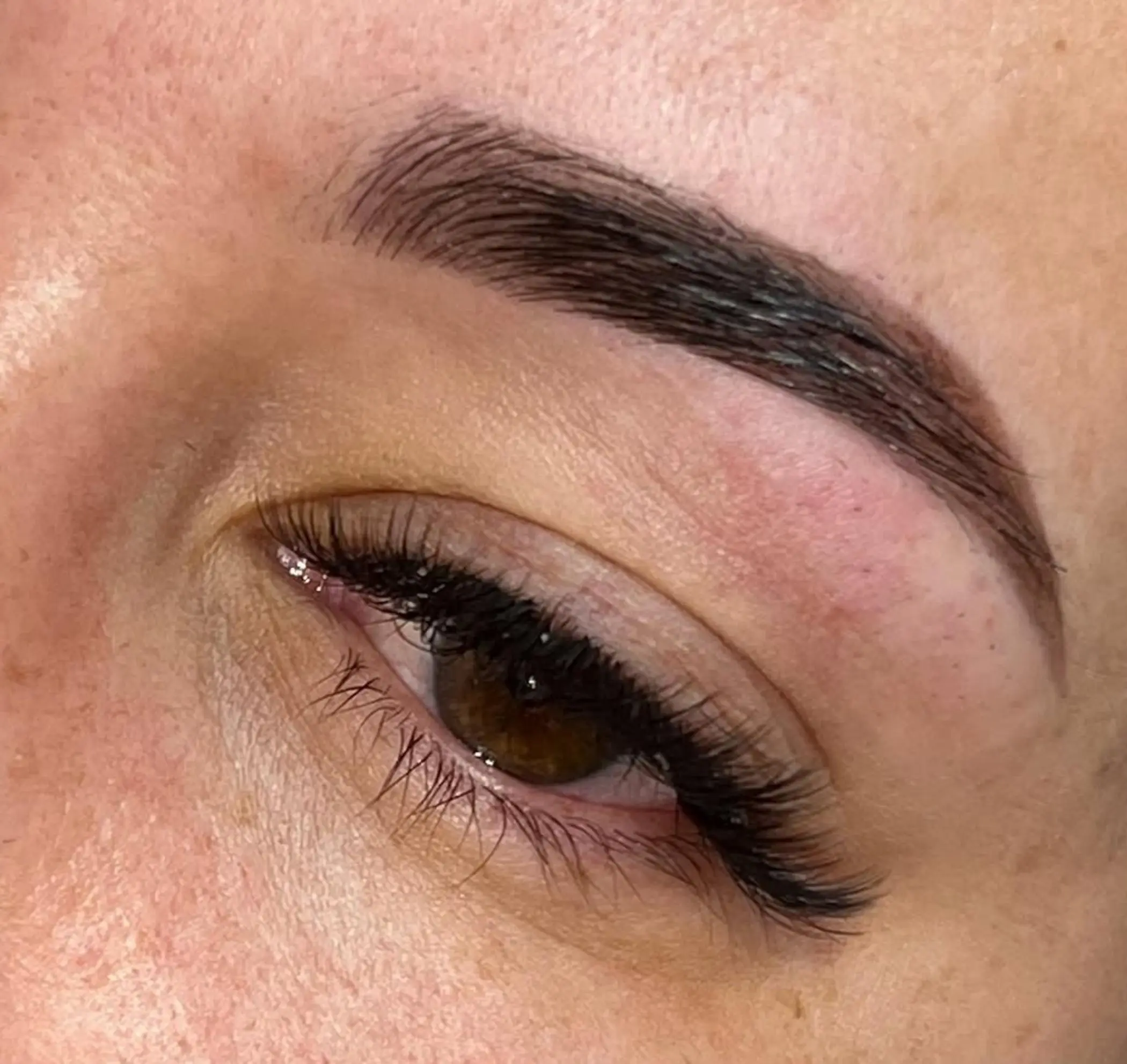
If your brow colour does change, we need to look at the whole picture, rather than just blaming the water. The thing is, microblading oxidation isn’t just one thing – usually it’s a combination of a few different things, and blaming the water on its own is a bit like blaming a bad hair day on the weather when you also went to bed with your hair all wet.
From what I’ve seen, the biggest influences are usually oil flow, how the skin responds to previous tattoos, the quality of the pigment your artist uses, the amount of experience your artist has and whether the client was following the microblading aftercare properly.
Skin Type Changes Retention
Skin type, oily vs dry, makes a real difference in how your brows hold up. Oily skin can break down those crisp hair strokes a bit faster, while dry to normal skin tends to hold shape better. And mature skin? That can heal beautifully – especially if you adjust your technique and design accordingly.
Technique And Session Count
If you only have one session, you can expect some improvement, but you won’t get perfection. Most brow tattooing requires at least an initial appointment lasting about 2 to 3 hours, followed by a follow-up at 6 to 10 weeks. In my experience here in Melbourne, new brows usually cost around AUD 450-900, and corrections can cost more depending on the extent of saturation and shape issues.
Beginner artists often go a bit too deep or too warm with the colour. In contrast, experienced artists are more likely to account for undertones, healing behaviour, and long-term colour correction needs.
What Evidence Suggests
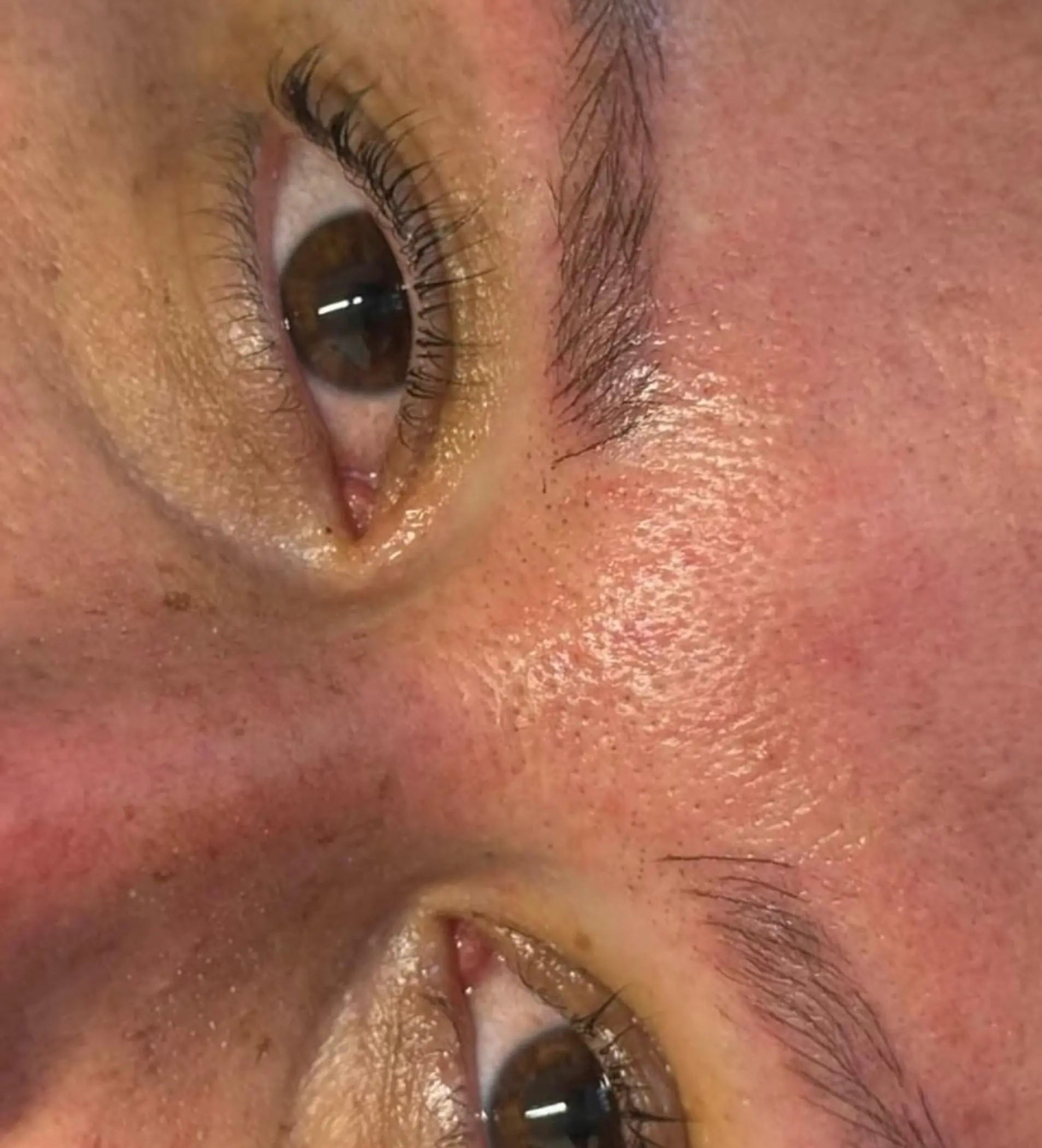
The advice coming out of Australian regulatory and academic chatter is that pigment safety and skin exposure are issues to be taken seriously, even if there isn’t much direct research on hard-water eyebrow tattoo oxidation on its own. So we’re looking to combine what we know with what we see in real-world clinical settings.
NICAS has been a key player in the chemical oversight debate for ages, and the ongoing Aussie concern about tattoo ink ingredients means artists are more picky about the products they use. UNSW and some clinic observations suggest that environmental exposure and skin response are pretty important, too.
What We See In Practice
Looking at all the industry reports and case patterns bandied about by artists and clinics such as Aesthetic by Reese, Luxeink, Sydney Microblading, and Xanadu Laser Therapies, UV damage, poor aftercare, choosing the wrong pigment, and old work needing colour correction or saline removal are all common themes. And yeah, hard water is often cited as a contributing factor, but not the main culprit.
Simple Steps That Help
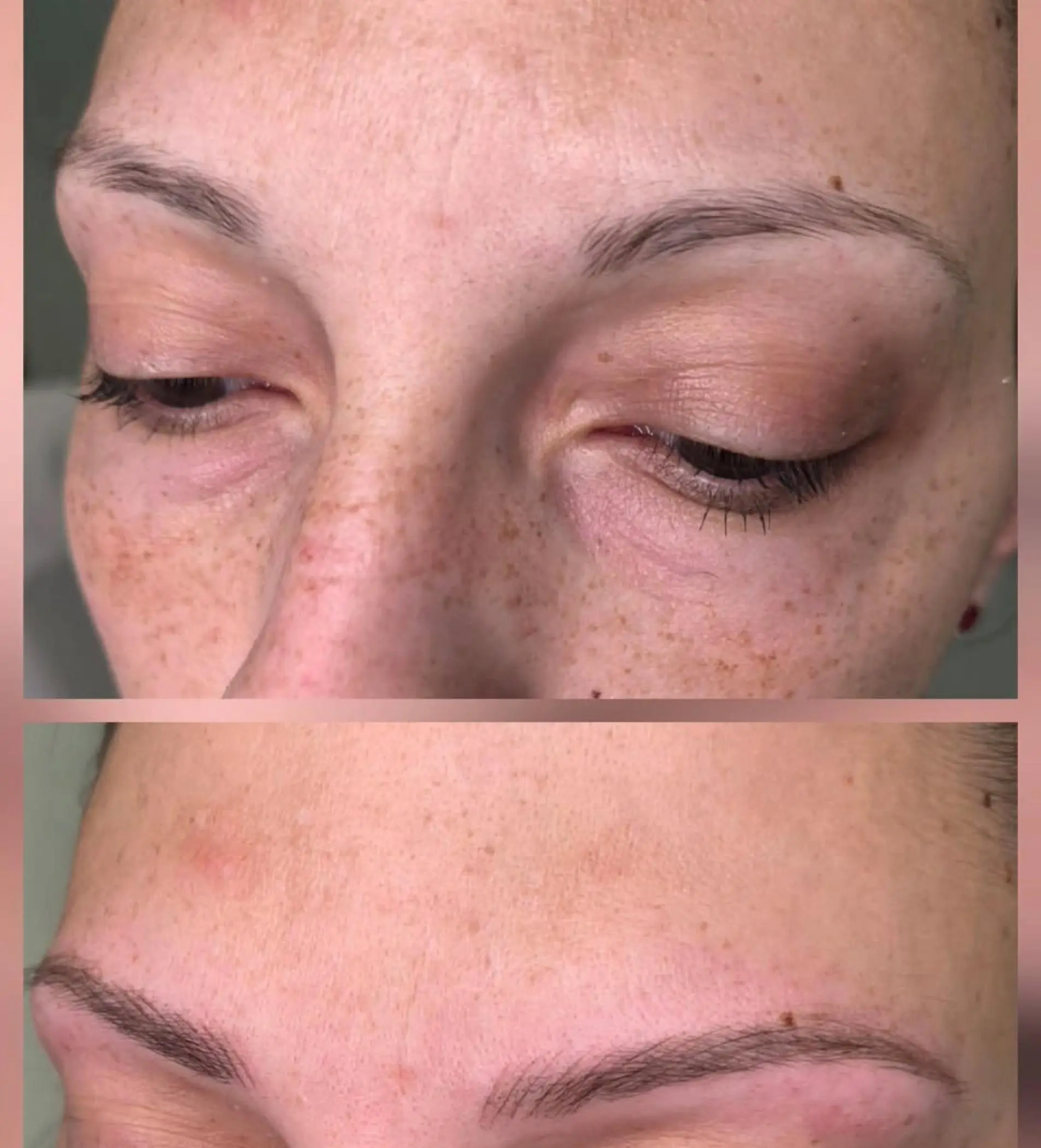
The good news is you can cut down the risk of hard water and tattoo fading with some really basic habits. Not gimmicky stuff, just the basics: aftercare 101, being realistic about what to expect, and just using a bit of common sense.
Use cooled boiled water or a water filter to clean up in the early stages if your local water is pretty harsh.
Pat your skin dry instead of rubbing it, and try to avoid scalding-hot showers while your skin is still healing.
Don’t forget to slap some SPF on your healed brows every day, especially when the sun is bright and hot.
Don’t book a treatment if you’ve got active dermatitis, a sunburn, an infection or broken skin.
If your colour starts looking odd – grey, pink or too warm – get in for a review sooner rather than trying to sort it out at home.
Happen During the Healing Process
| Stage | What You May Notice | What To Do |
| Days 1-3 | Bolder colour, mild tenderness | Keep clean and dry |
| Days 4-7 | Flaking, dryness, patchy look | Do not pick |
| Days 8-14 | Colour looks lighter or uneven | Be patient |
| Weeks 4-8 | True healed tone settles | Assess for touch-up |
When A Fix Makes Sense
There are times when the solution for fading eyebrow tattoos is easier than you’d think—other times, not so much. If the shape is looking good but the tone could do with a tweak, a bit of touch-up or colour correction can really work its magic. But if the brows are all dense, heavily discoloured, or have a mind of their own, removal is probably the better option.
At Cosmetic Tattoo Studio Melbourne Face Figurati, I always stress to clients that the best approach is to get the shape right first, then colour and density. It’s way easier to make adjustments to a soft brow that is ‘on paper’ correct than to one that’s been over-worked.
Book an appointment with a pro to take a look once you’re fully healed.
If the tone is just off, consider a colour correction to address warmth, coolness, or unevenness.
If your brows are just too saturated or the shape is all wrong, consider removing them with a saline solution or getting a referral to a laser clinic.
My Final Takeaway
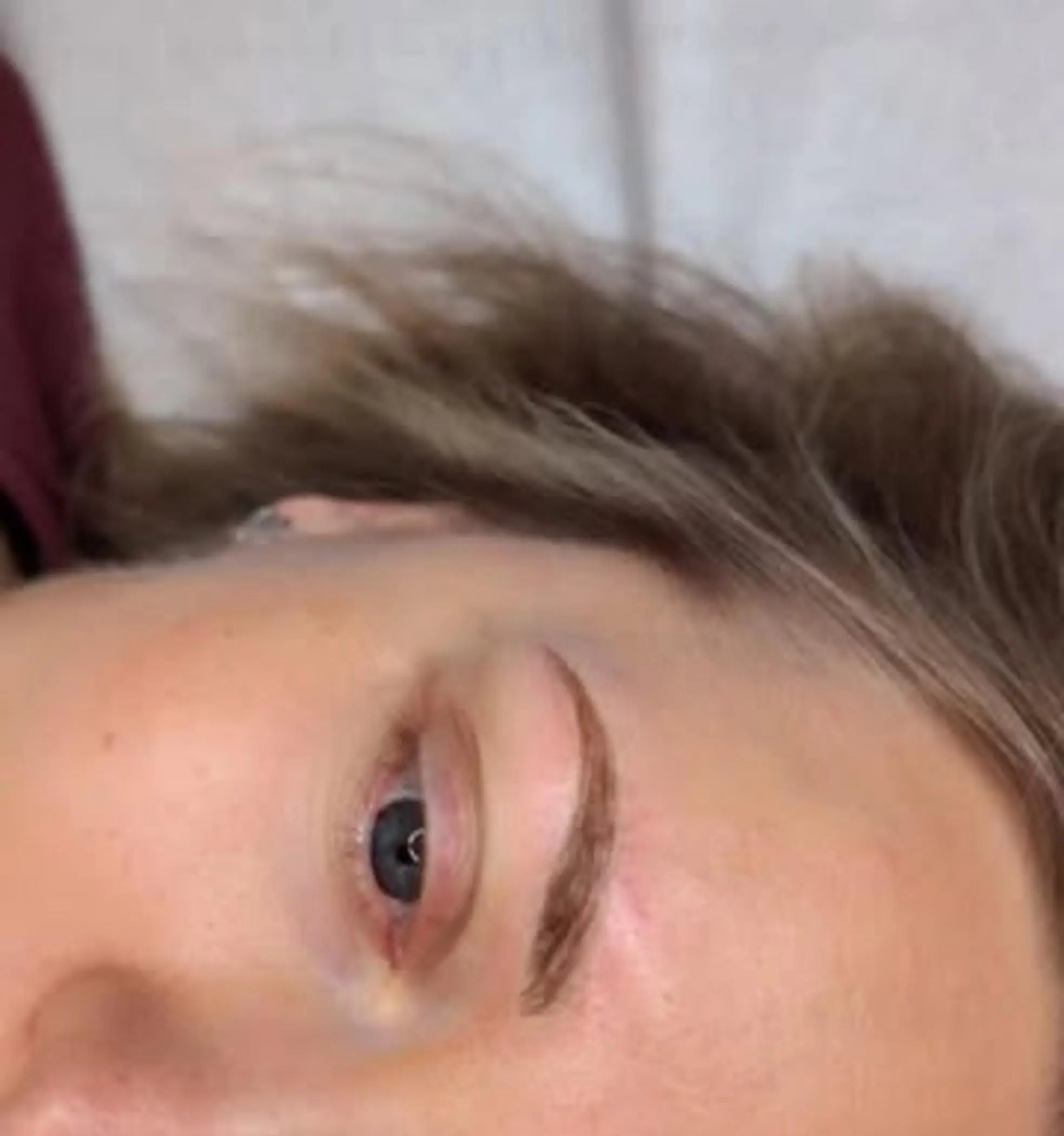
So, does Australian hard water cause eyebrow tattoo ink to fade faster? It might play a part – the dryness, irritation and disruption to healing it can cause, that is. But in most cases, I reckon UV, pigment quality, how your skin behaves, and the technique used are far more to blame.
If you’re seeing your brow take an unexpected turn, don’t freak out, and for goodness sake, don’t try to sort it out with some exfoliants or dodgy hacks on the internet. Still unsure what’s going on? Give Face Figurati a shout,t and I’d be happy to walk you through it.
FAQ
Does Australia Regulate Tattoo Ink?
Look, Australia does have some regulations in place around product safety and chemicals, but standards do vary depending on the type of product and who’s supplying it. That’s why artist sourcing is so important.
What Makes An Eyebrow Tattoo Fade?
Pretty much everything – sun exposure, oily skin, bad aftercare, the quality of the pigment used, your skin’s natural response and the technique the artist used – all of it affects how fast it fades. And yes, hard water may add to healing stress, but it’s rarely the main culprit.
What Happens If You Wet An Eyebrow Tattoo?
Be careful with water too soon after getting your brows done. Softening the scabs, interrupting healing and making retention patchy are all possible outcomes from a quick splash. But a bit of water is a different story from soaking it and rubbing it away.
Which Tattoo Inks Should I Avoid?
Steer clear of any unknown, unregulated or dodgy pigments. Ask your artist about what’s in the ink, the safety data and how it heals over time – that’s just basic common sense.
Can Filtered Water Help Freshen Brows?
Yes, it definitely can if you’ve got hard water and sensitive skin. It won’t solve all your problems, but it can give your healing a bit of a leg up.