If you’re asking, “Can I get eyebrow feathering if I have very little natural brow hair or is microblading a better choice?”, here’s the short answer: if you have very little brow hair, eyebrow feathering vs microblading usually comes down to how much natural hair is there to blend with, your skin type, and the finish you want. In my experience as Olha Po at Cosmetic Tattoo Studio Melbourne Face Figurati, classic feathering works best when you still have some brow hair, while very sparse or near-bare brows often need a different plan, such as machine hairstroke brows, combo brows, or powder brows.
Let’s face it – this is where people get confused. Social media lumps all brow tattoos into one trendy category, but microfeathering, feather-touch brows, microblading for sparse brows, and brow tattoos don’t all behave the same once the healing process is complete. To get a result that still looks good after the initial healing – not just on day one under salon lights – the technique really does matter.
Finding Your Best Match
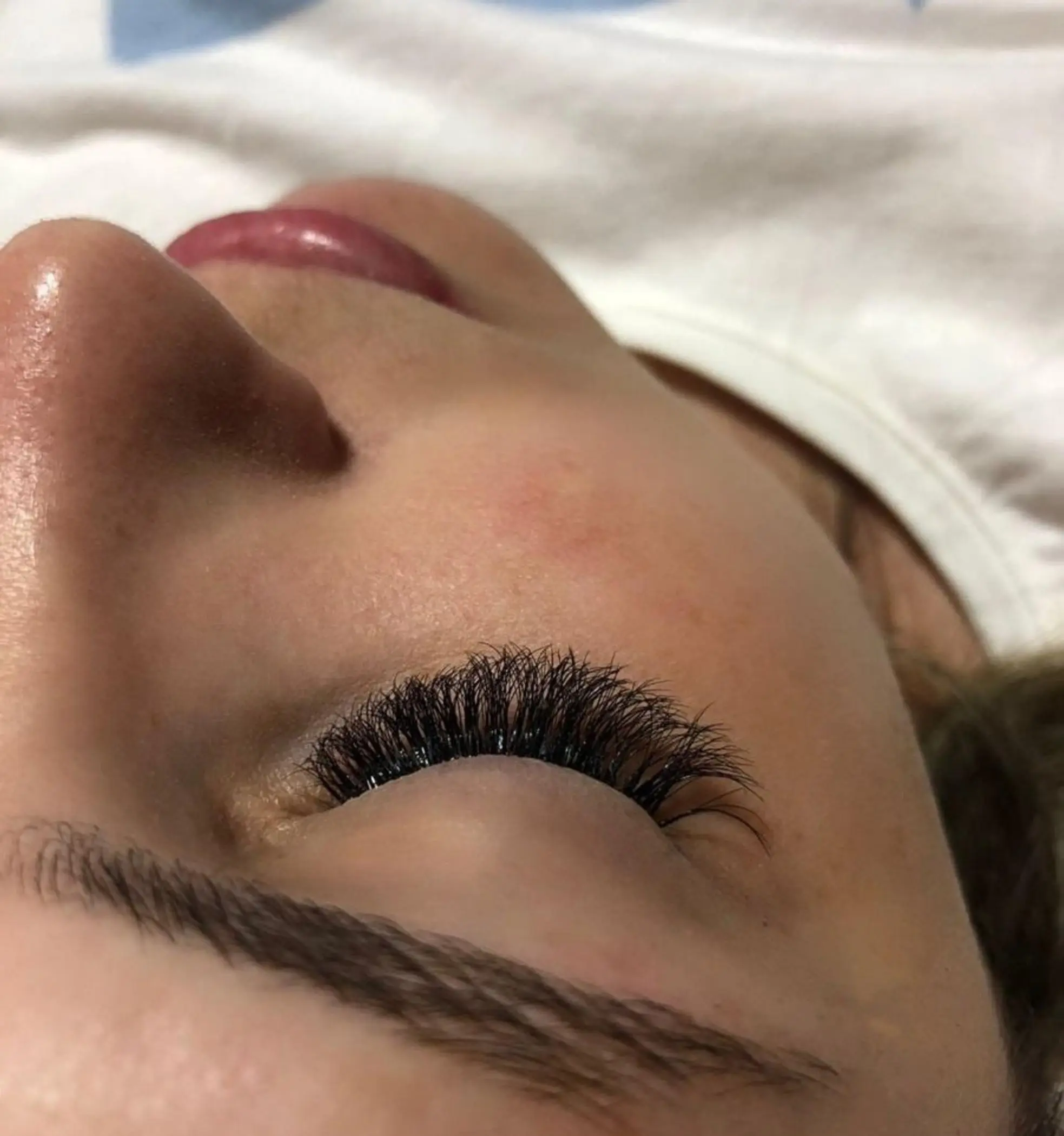
When a new client comes in for a consultation, I don’t start off talking about the trend. I start by taking a closer look at what your skin can actually handle, what your natural brow base is like, and what you’re realistic about getting from one session.
If you’re only got a few hairs scattered through your brow, microblading isn’t the automatic answer, and neither is eyebrow feathering automatically off the table. Usually, the best procedure for sparse brows is a combination of techniques rather than one strict approach.
When Sparse Hair Throws a Spanner In The Works
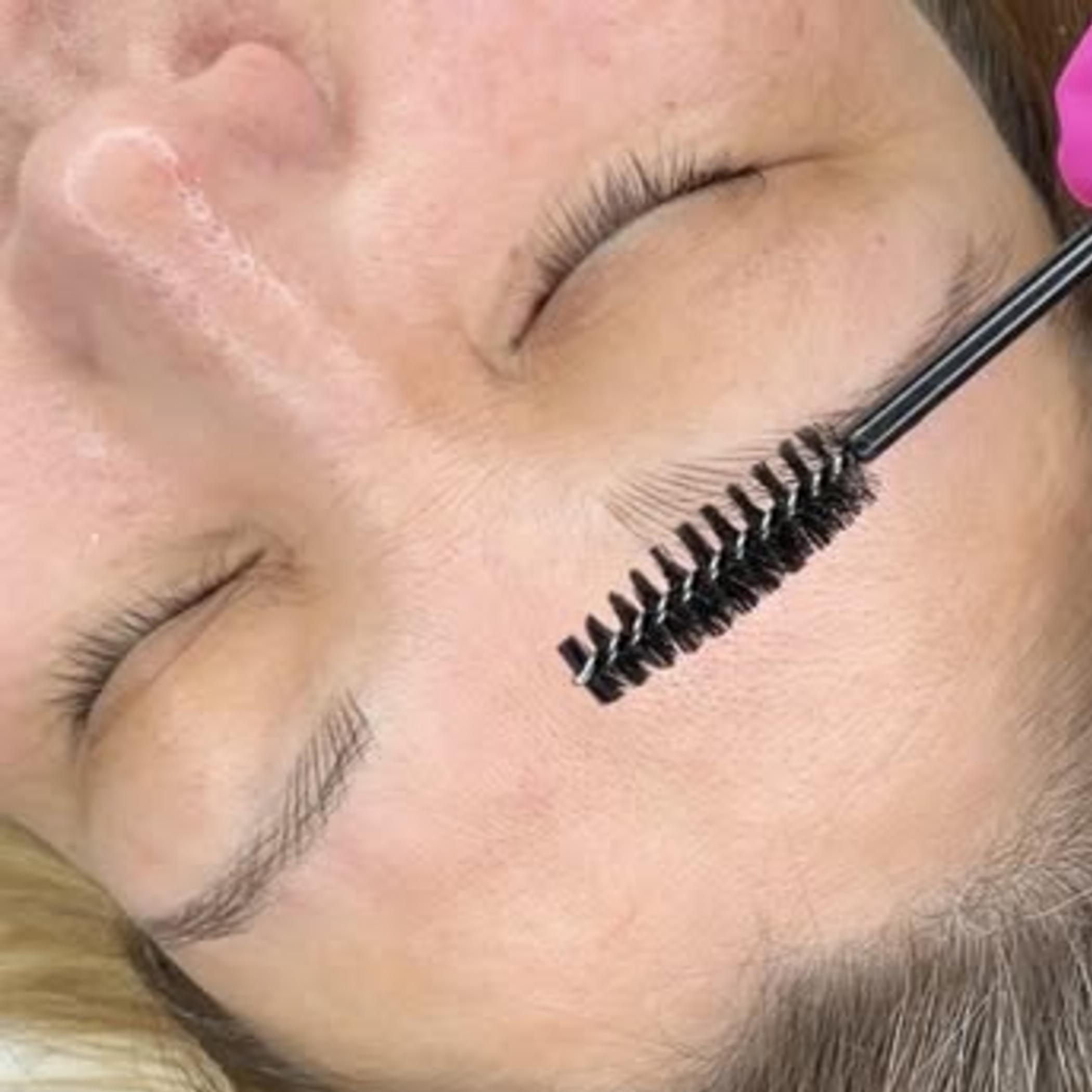
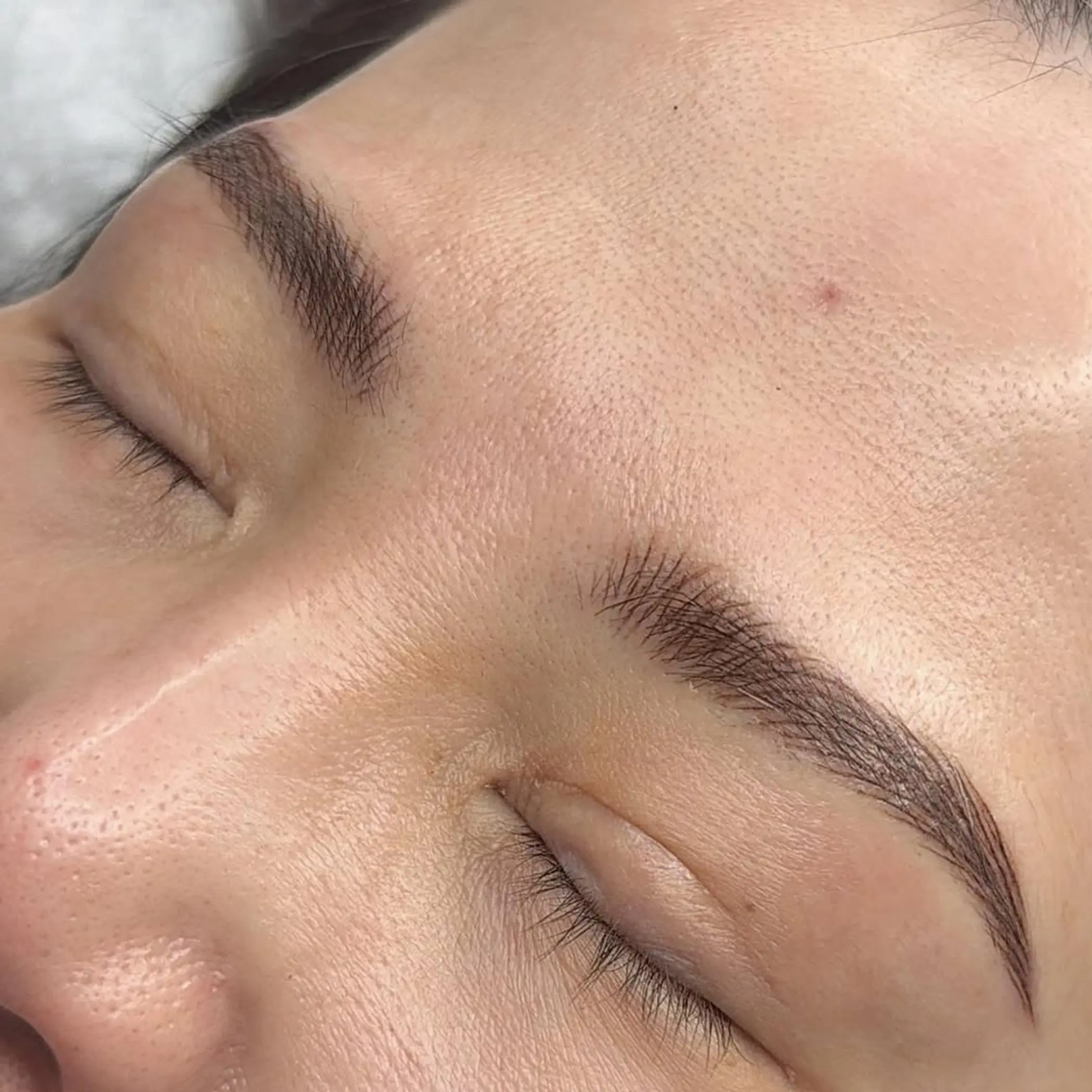
Feathering brows, also known as microfeathering, is meant to create soft hair-like strokes that blend in with your existing brow hairs. That blending effect is the whole point. But if you’ve got hardly any hair to start with, there’s less natural texture to hide the tattoo strokes, which can show through once healing is complete.
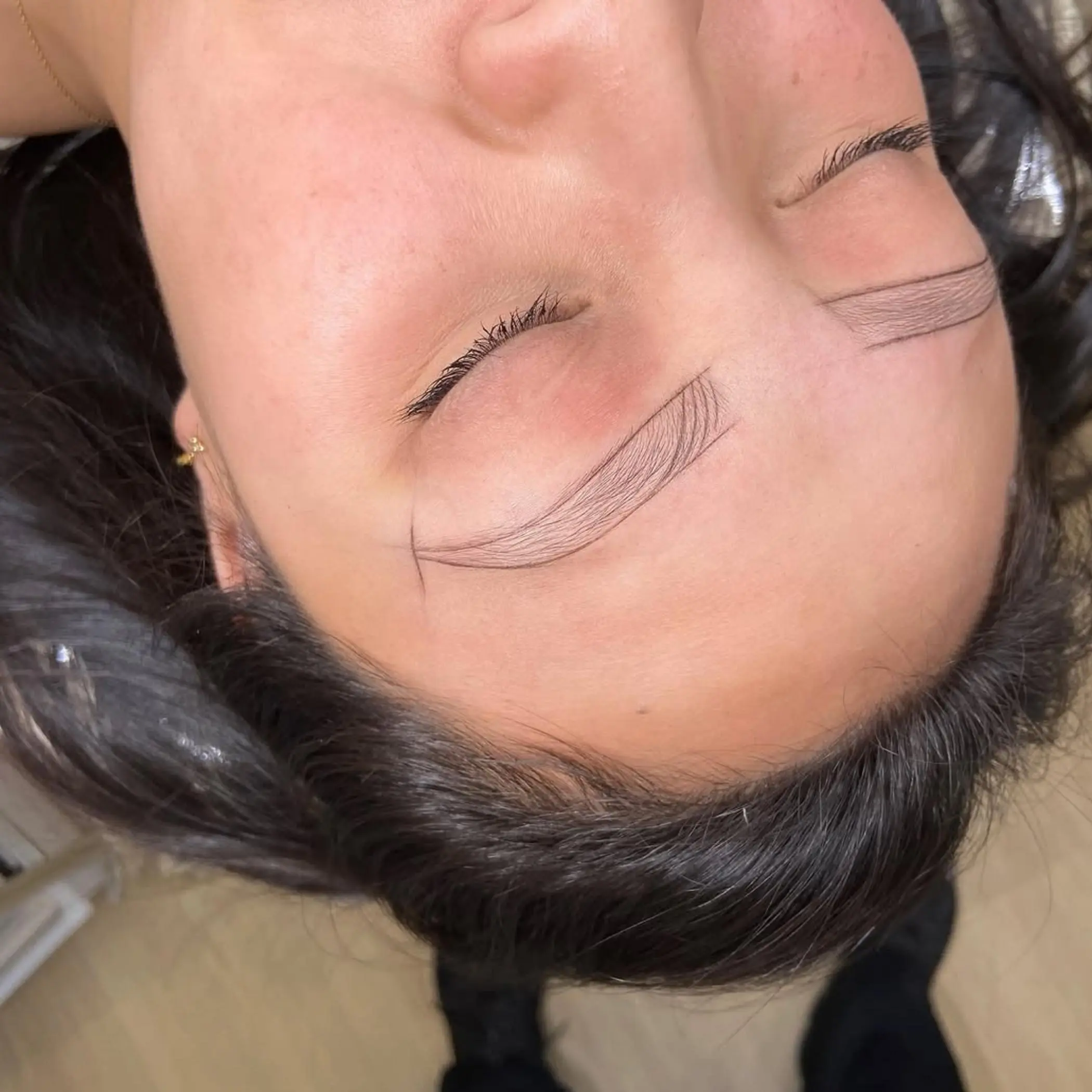
Microblading creates similar hair-like strokes, but with a manual blade instead of a machine. In some cases, it can actually be better suited to sparse brows than feather touch brows because the artist can build a bit more structure. However, if the brow area is almost empty, then dry strokes on bare skin can look really obvious, or even heal unevenly – especially if your skin type is oily.
What I Usually Suggest
At Face Figurati, if a client has a few gaps in their brows and a decent existing shape, eyebrow feathering can be worth it because the end result looks really natural and airy. But if a client has very little natural hair to start with, I more often recommend a combination brows or a soft powder brow because it creates a bit of density without relying on surrounding hairs to make sense of the shape.
One client came in from Melbourne after years of over-plucking in the early 2000s – a story I hear all too often, to be fair. She wanted microblading for sparse brows, but she had oily skin, almost no tail hair and some old scar tissue. We went with a soft combo brow instead. And it healed so much better than a full manual stroke set would have.
How Each Technique Really Behaves
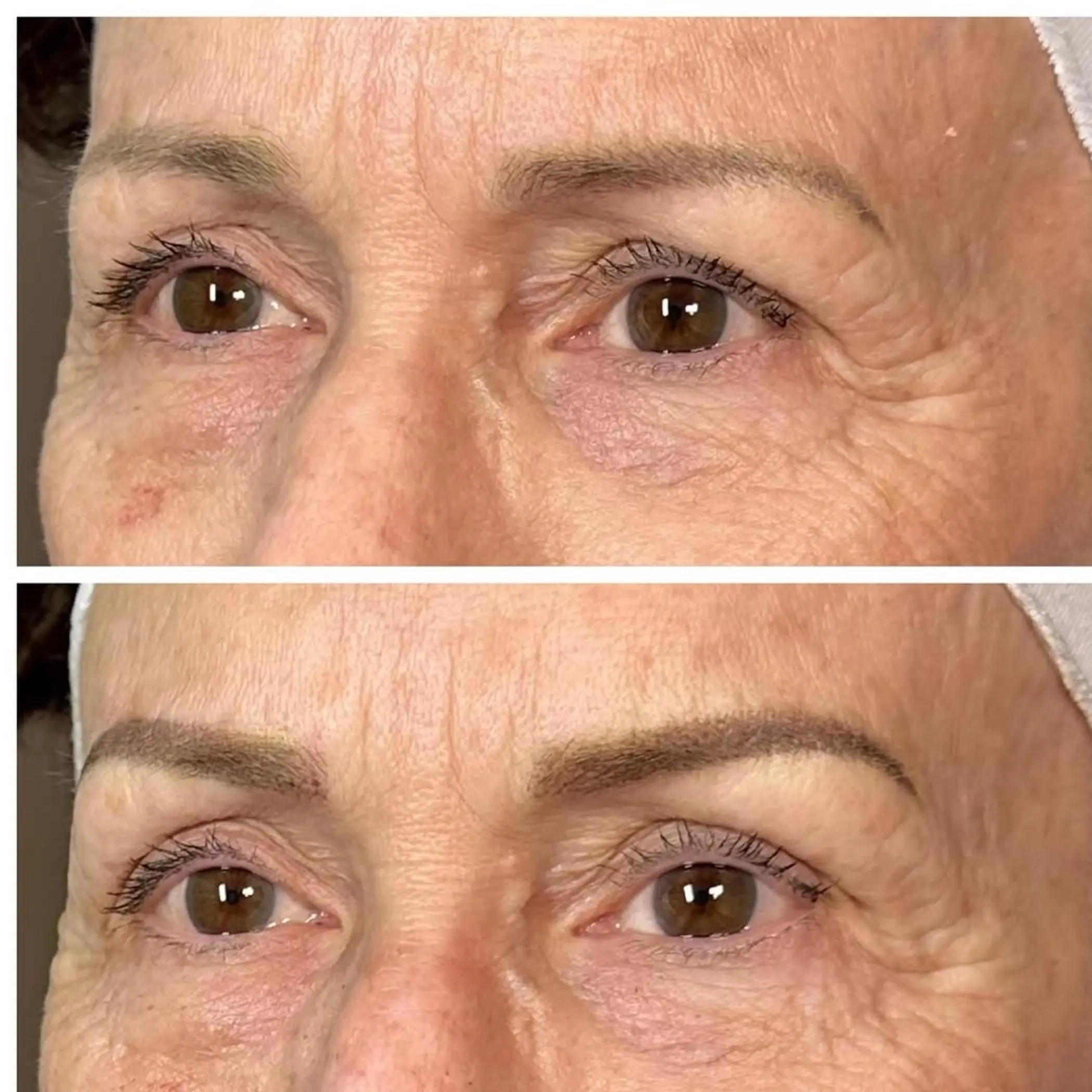
People often skip this part and end up disappointed because they think the prettiest, freshest result is the best healed result, which isn’t always the case. But to get the real picture, you need to know how the pigment behaves over time in the skin, how lines soften, and what catches people off guard during the healing process
You need to understand that what looks bold on day one isn’t always going to be bold forever – and those crisp strokes that look like razors at first are rarely that sharp after a while.
Feathering – When it Works and When it Doesn’t
Feathering is a good option for people with some hair still left in their brows – in the front, arch, or tail. With brow mapping, we can carefully place fine strokes that mimic your own natural growth pattern. On the right person, it can look incredibly natural and soft.
But this is where most people go wrong: they think feathering is all you need if you’ve got very sparse brows. The truth is, feathering can create a bit of shape – but it’s not going to give you the kind of visual density that you need.
Microblading – when and where it really shines
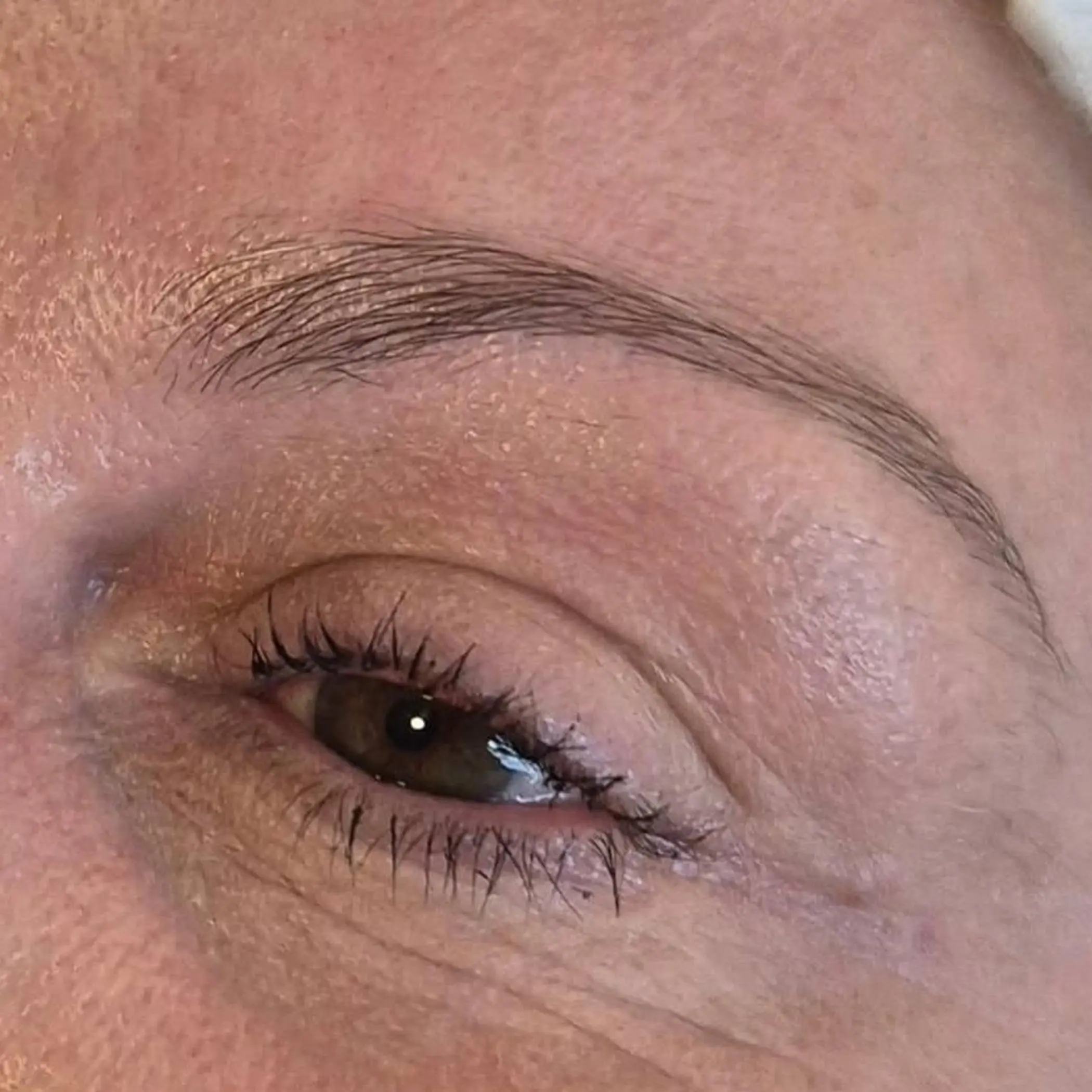
Microblading can give you a lot more shape than feathering – especially if you’ve got very sparse brows. On average, most clients need to come back for a touch-up about 6-10 weeks after the initial treatment, and the results can last 12-18 months before they start to fade. But that’s a broad estimate, and everyone’s skin, lifestyle and aftercare is different
Now, the thing is, microblading does have its downsides. On oily skin, on older skin, or on skin with scarring from before, the strokes can get distorted or heal unevenly. And that’s why so many people find that powder and hair-stroke methods last a lot longer when they use machine shading techniques.
Why Machine Work is on the Rise
The latest technique used in many studios, instead of microblading, is machine hairstroke brows or soft-shaded brows. These methods can be a lot easier on some people’s skin and also reduce the risk of causing repeated trauma with all the manual passes back and forth. They are still a type of semi-permanent makeup, but they tend to provide more reliable pigment retention.
I’ve been noticing more and more of my Melbourne clients asking for a natural brow that can withstand gym sessions, the hot weather, and the harsh sun. In those cases, powder brows or a combination of brows usually do a lot better than the old way of just doing blade work.
Results Aren’t as Simple as You’d Think
No brow tattoo exists in isolation. Your skin, age, medications, previous tattoos, and even the changing seasons here in Melbourne all play a part in how the brows will look once they’ve healed.
This is why two clients might book in for the same service and get completely different results. And it’s not always because the artist has done something wrong. Sometimes the skin just isn’t going to be that cooperative.
Skin, Age, and How You Heal
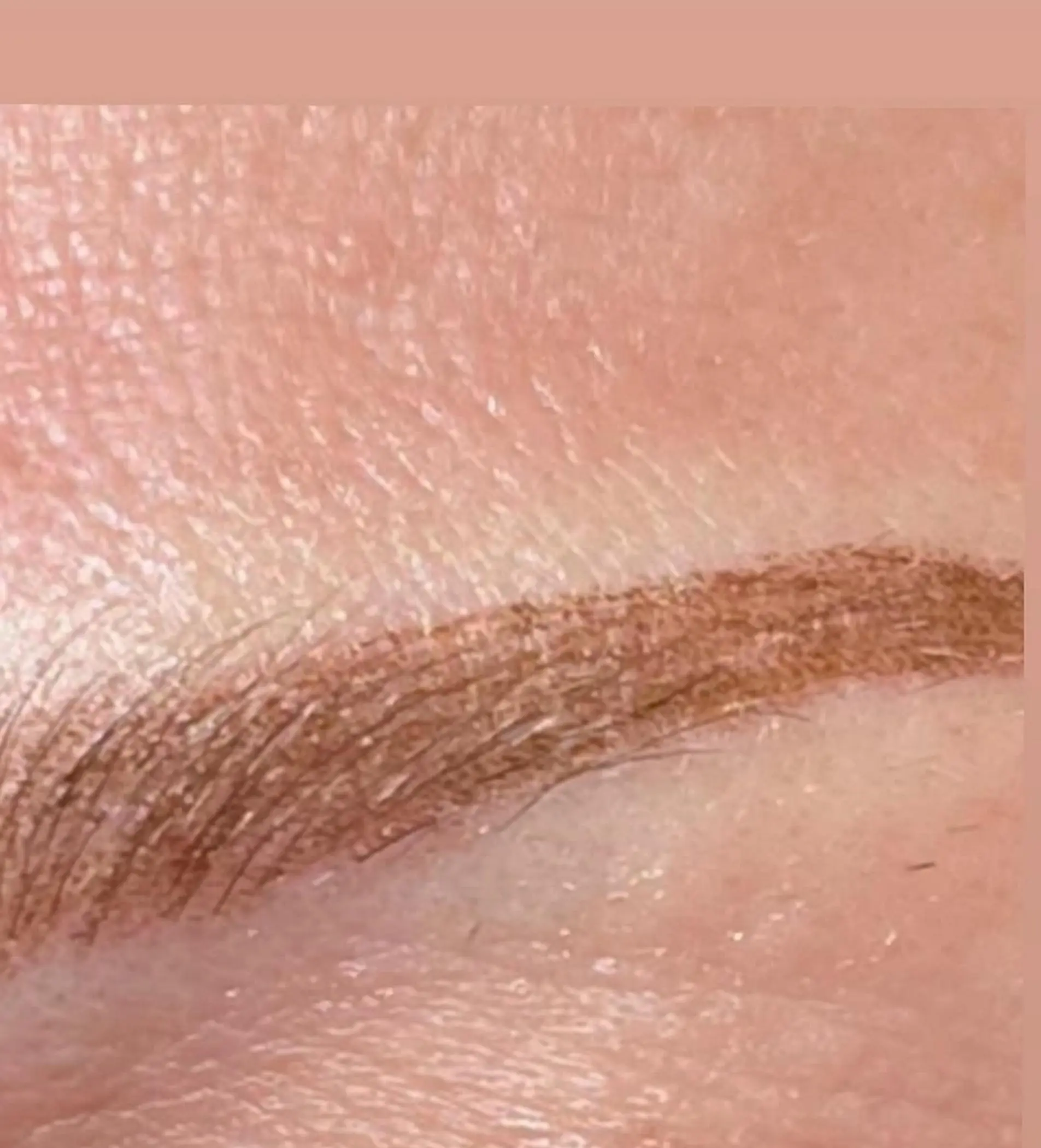
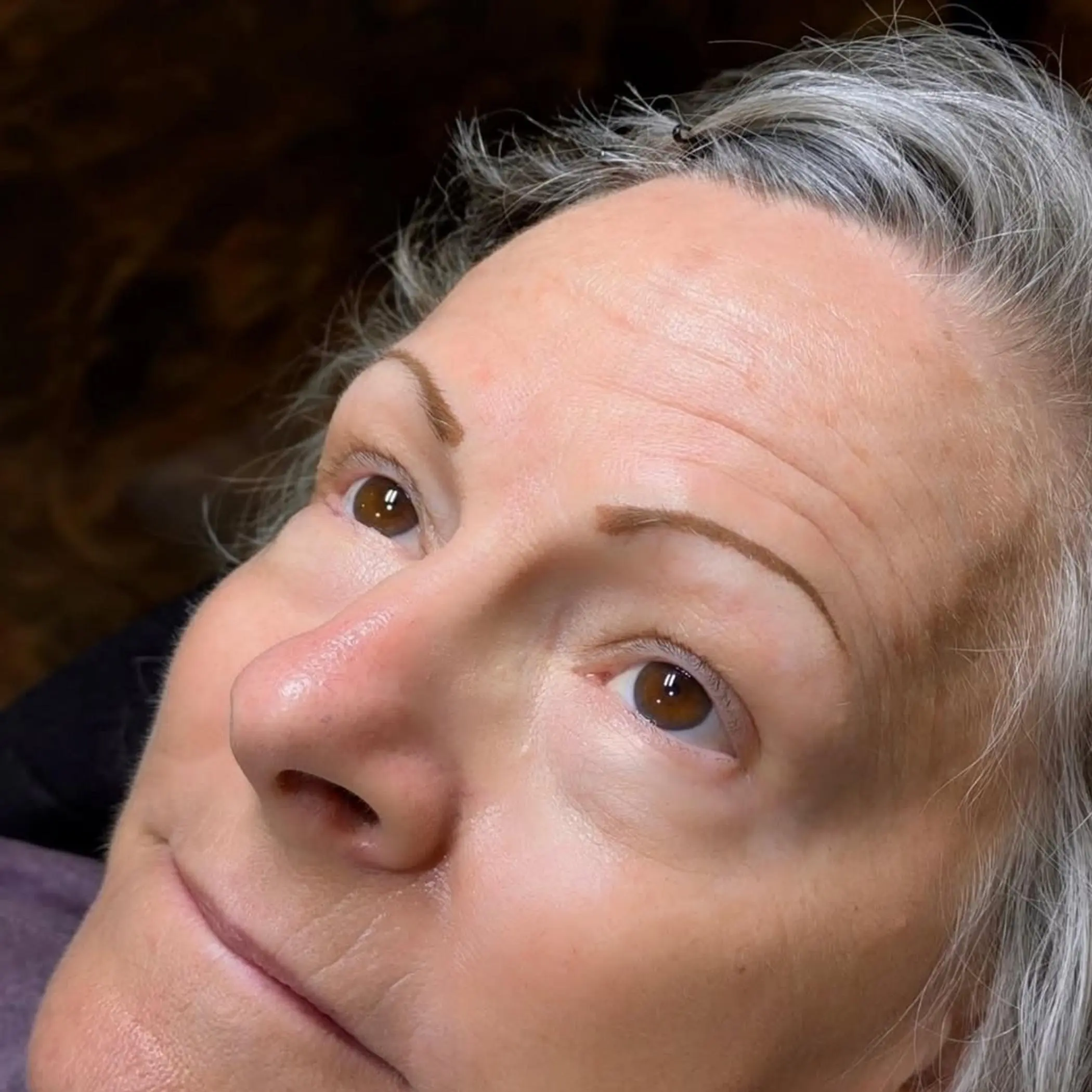
Skin that’s dry to normal holds onto crisp strokes pretty well. But if you have oily skin – and that’s a lot of people in Melbourne – it can actually push the pigment out faster, which makes the strokes look softer or slightly blurred. As for mature skin, should a 60-year-old get microblading? Sometimes yes, but only if the skin is in good nick and you have realistic expectations. Often, a softer machine technique is the safer option.
If you have active dermatitis, have just had cosmetic injectables in the area, are pregnant, have uncontrolled diabetes, or are using retinoids near the brow, I’d say hold off on treatment or get a doctor’s clearance first. You don’t want to risk infection, poor retention, or pigment migrating to the wrong place – it’s not just salon gossip.
What Melbourne Weather Does to Your Brows
Summer is a nightmare for healing – all that sweat, sun exposure and beach time can cause problems right from the start. And in winter, skin can get dry and flaky, which changes how the area sheds. We adjust our aftercare advice to suit the season because, let’s face it, Melbourne’s weather affects the healing process big time.
| Treatment | Best For | Typical Melbourne Price | Longevity |
| Eyebrow Feathering | Mild gaps, existing brow hair | AUD 450–700 | About 9–15 months |
| Microblading | Sparse brows with suitable skin | AUD 450–750 | About 12–18 months |
| Combo Brows | Very sparse brows needing shape and density | AUD 550–850 | About 12–24 months |
| Powder Brows | Oily, mature, or low-hair brows | AUD 550–900 | About 18–30 months |
These are general Melbourne price ranges at the time of me writing this, and they can vary greatly from artist to artist, depending on things like their level of experience, how much correction work needs doing and the quality of the pigments they are using, plus whether or not they will be doing a touch-up for you.
Getting To Know The Appointment Process
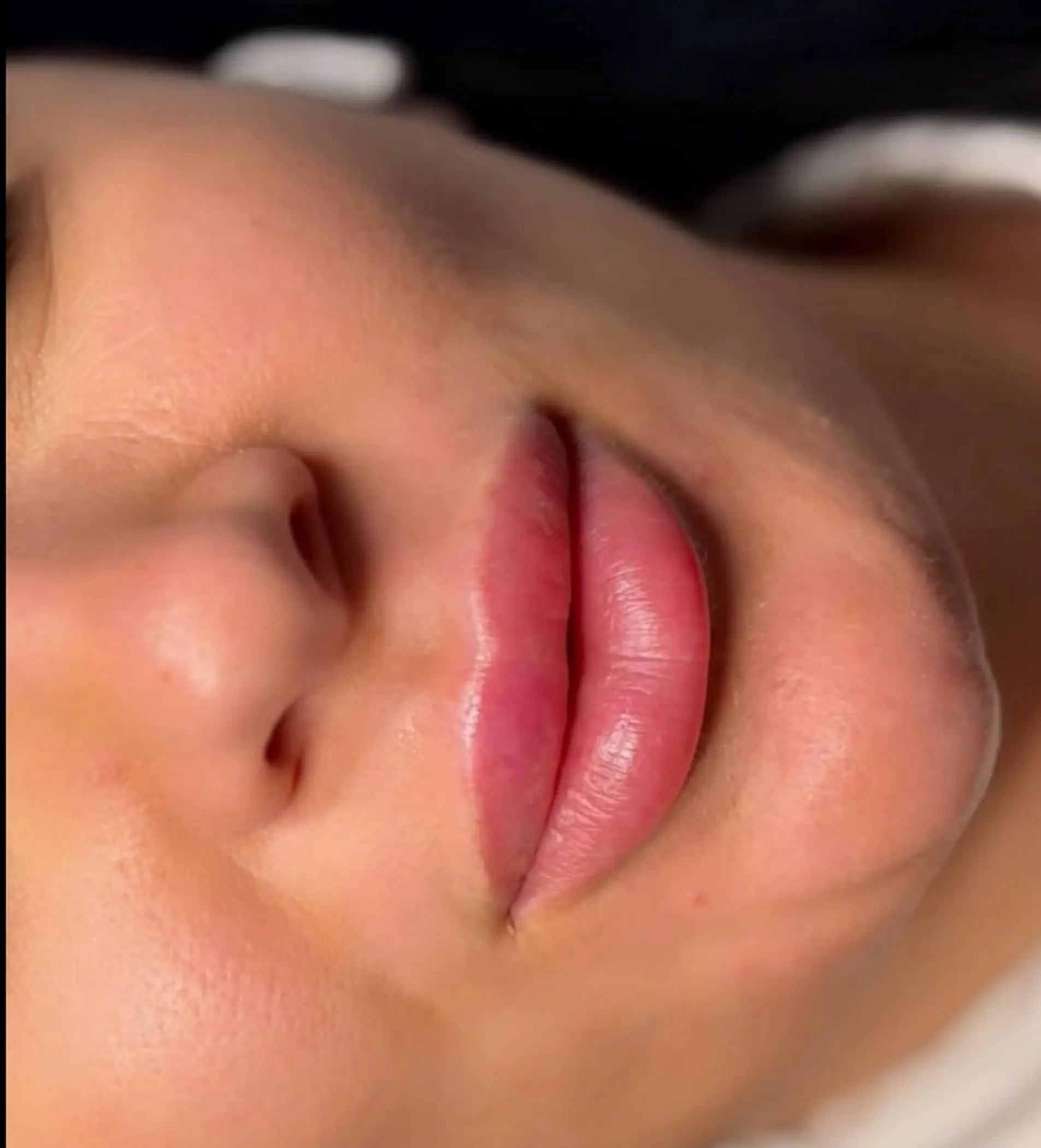
To be honest, though, it’s not just about the actual treatment itself that produces the end result; it’s the whole process. Getting ready beforehand, looking after your brows after they’ve been done and following up afterwards all play a big part in how happy you are with your results.
If you only need one session, don’t expect perfection straight away. That’s what the follow-up appointment is for – where we refine the shape, make the colour more even and sort out any lighter spots that have healed a bit patchily.
Before And After – The Basics
A standard brow appointment usually takes around 2.5-3 hours from start to finish, including the consultation, mapping out your brows, numbing you up and the actual tattooing. Most people are back to work the next day, but your new brows will look darker and more defined in the first few days, which can be a bit of a shock. More so, actually, than how uncomfortable the process was.
Before the appointment, try to avoid drinking alcohol the night before, avoid intense exercise on the day, and stop using retinol products on or around your brows for at least 7 days beforehand. And please, come in without fake tan on your face; it’s just easier that way.
After the appointment, keep your new brows clean and dry, avoid doing anything that makes you sweat, don’t go in the sun, pools or hot tubs and don’t – whatever you do – pick any flakes off your brows. Just follow the aftercare routine to the letter.
What To Expect vs What Actually Happens
One thing that catches a lot of clients out is how much darker their new brows look for the first little while. This is just because the pigment hasn’t had time to settle yet, and it will fade by about 20-40% over the next few weeks. This varies depending on your skin type and how well the pigment holds onto it, but it’s completely normal. You’ll probably see some flaking around the 3-10 day mark, and your new brows will go through a lighter phase. Don’t worry, don’t pick at them and don’t go and get your fringe cut just because they look a bit dodgy for a week.
What catches most people by surprise is the difference in how the two brows heal – it’s really common to have one that heals a bit faster than the other. Your brows aren’t twins, they’re sisters, and that’s just how it goes.
Know Your Brow Artist
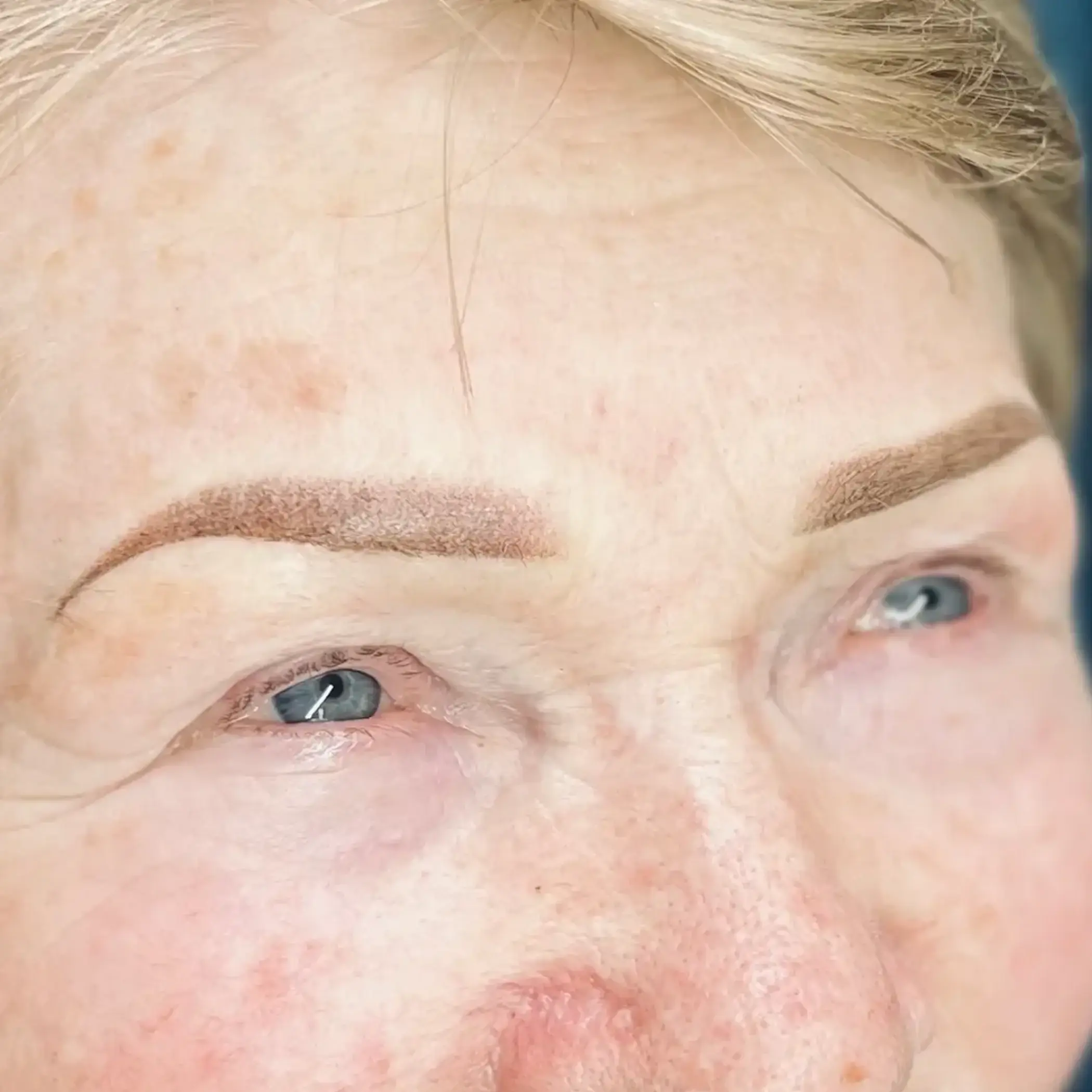
When it comes down to it, the difference between a good artist and an experienced one isn’t just that one might have better Instagram photos. The good ones have the skills and knowledge to get the brow shape right, control the depth of the tattoo, and recommend the right pigment for your skin. They also know when you’re not a good fit for a certain style and will tell you that.
In my experience, I’ve seen work from all sorts of places – big chains, smaller boutiques like Bonita Beauty Bar, Destiny Brows, Jan Beauty Brows, FeatherTouch Aesthetics, Elka Clinic, MDBrows and Beauty and Brow. And my advice is always the same: check out what their finished results look like, not just what they look like straight after a new client has had them done.
Questions Worth Asking
Ask them about the technique they recommend for sparse eyebrows and what makes it their go-to choice. Request to take a look at healed work on clients with similar skin and hair density to yours. Want to know about the quality of pigments they use, whether they do patch tests to prevent sensitivities, and how they ensure everything is properly sterilised – and what happens if there’s old scarring or tattoo work in the mix. At Cosmetic Tattoo Studio Melbourne Face Figurati, the consult isn’t just a sales pitch – it’s where you both decide whether this treatment is a good fit, safe, and likely to heal well.
My Honest Final Take
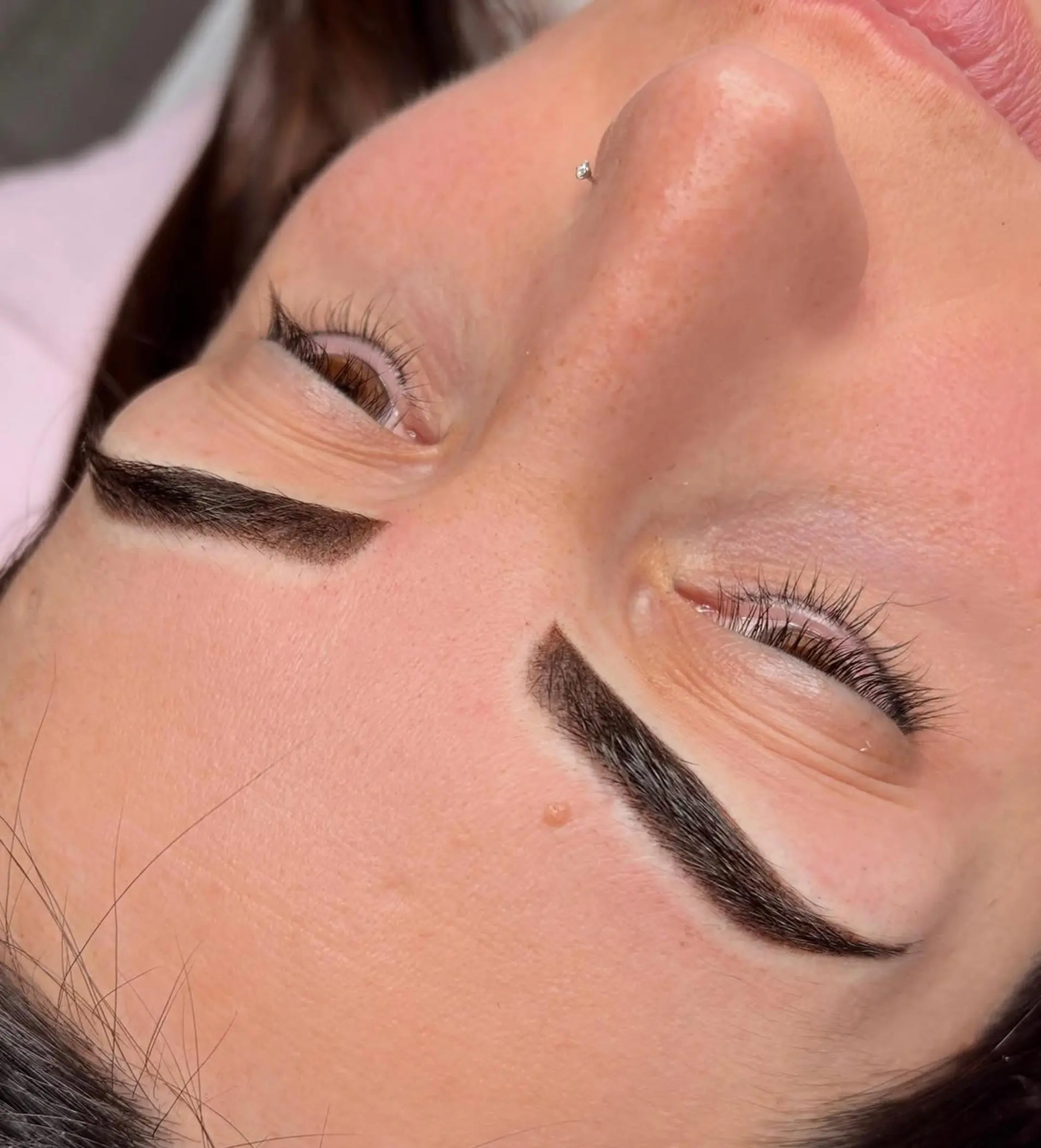
If you’ve got very little natural brow hair, deciding whether to go with eyebrow feathering or microblading isn’t just a straightforward beauty-trend choice. In many cases, classic feathering isn’t the way to go, and neither is standard microblading. A machine-based brow tattoo for sparse eyebrows, powder brows, or combo brows is often the best bet for a really natural, long-lasting look.
Still not entirely sure which option is right for you? Get in touch with Face Figurati, and I’d be happy to run through the details with you. Want to see what healed brows look like on sparse hair? Have a look at our client results gallery, or pop by for a proper chat with Olha Po.
FAQ
Is eyebrow feathering or microblading better?
For really sparse brows, often neither one on its own will do the trick. Combo or powder techniques often heal up better.
What is the new technique that is a better alternative to microblading?
Machine hair-stroke brows and soft powder brows are probably the most popular alternatives now.
Is a 60-year-old old enough for microblading?
It depends on the state of their skin, their medication, and how well they heal. In some cases, yes – but it’s not a straightforward yes.
What gives the most natural-looking eyebrow procedure?
On the right skin, fine hair-stroke work is the way to go. On sparse brows, combo brows often look more realistic once they’ve healed.
How long does a microblading job last?
On average, it lasts around 12-18 months. You’ll likely need a touch-up sooner or later for best results.