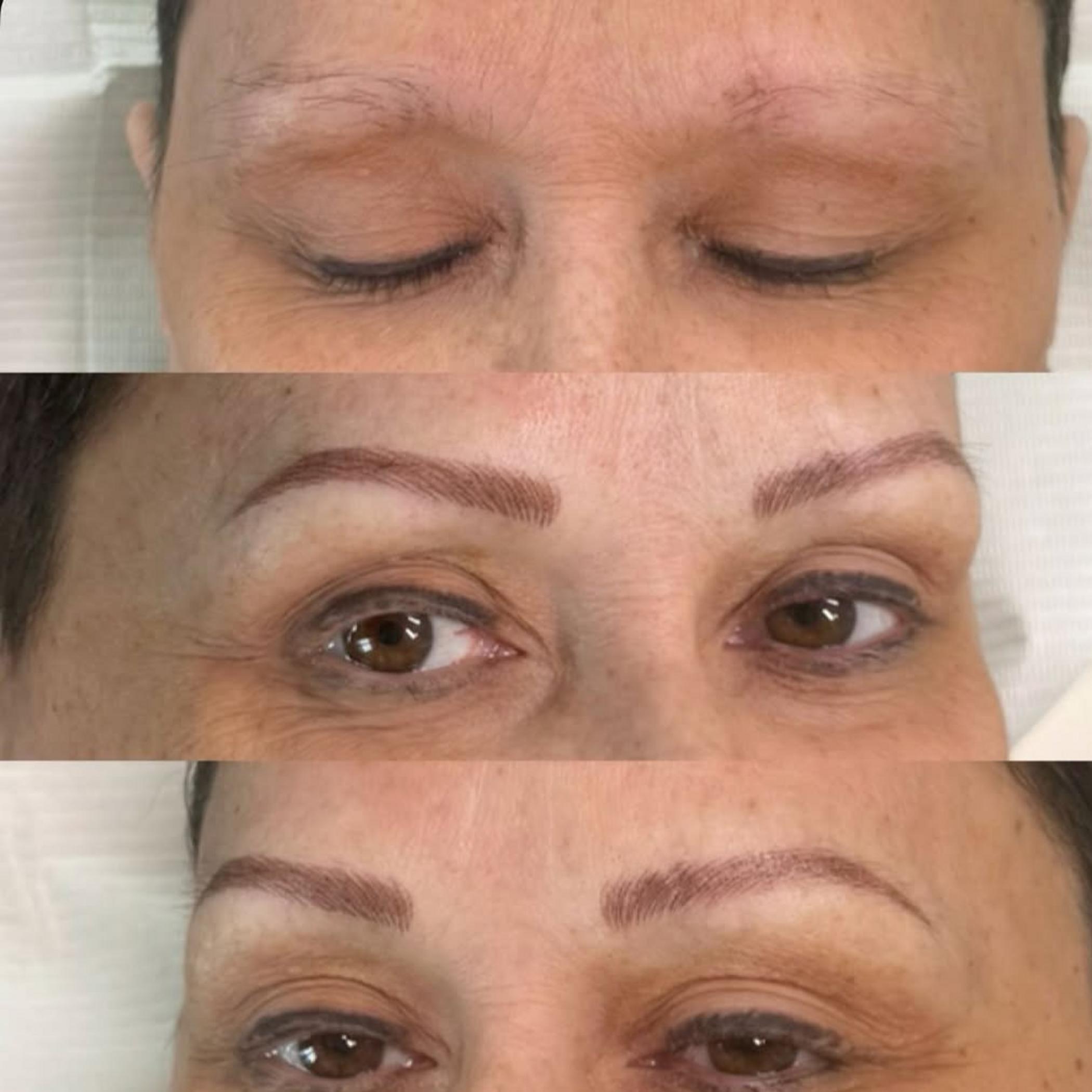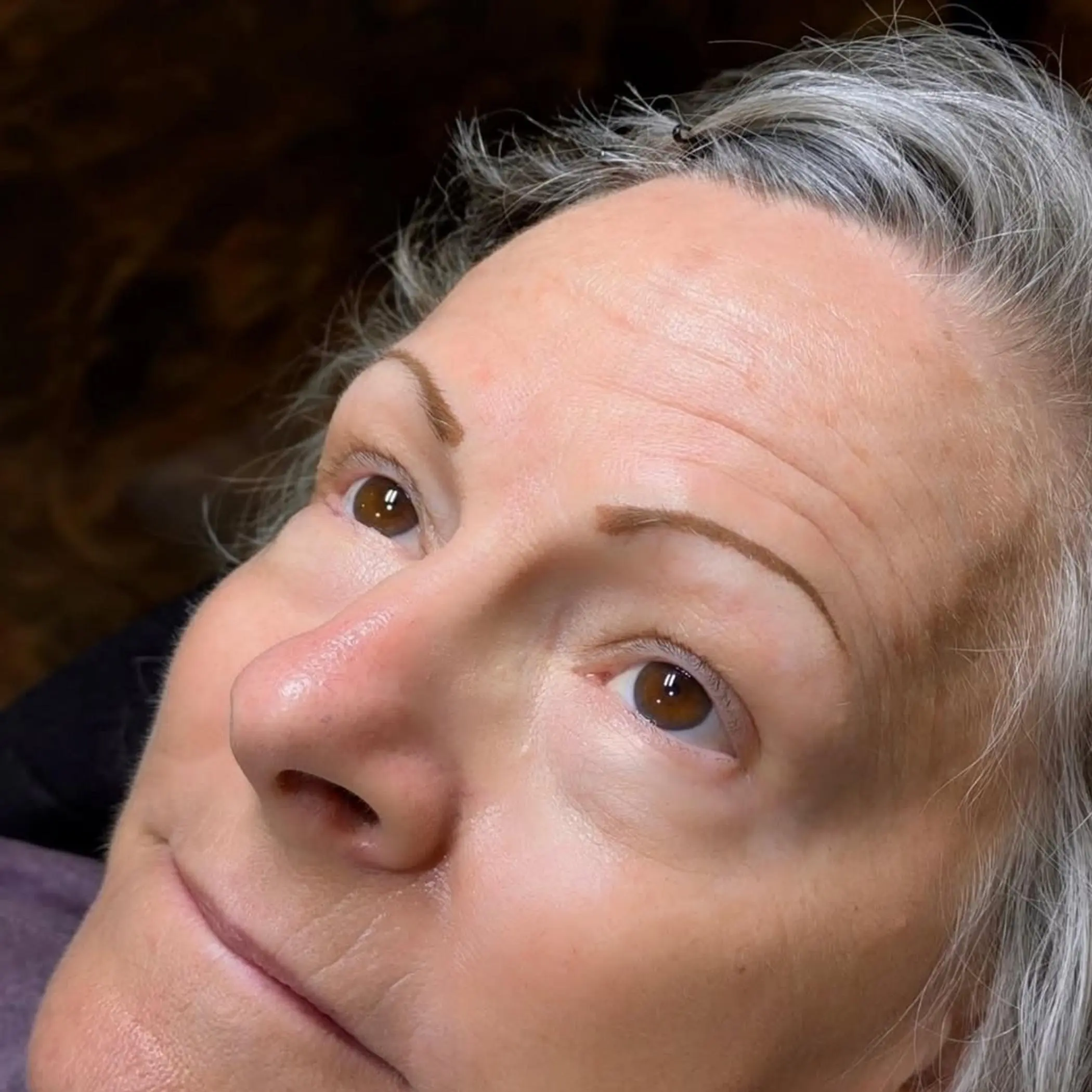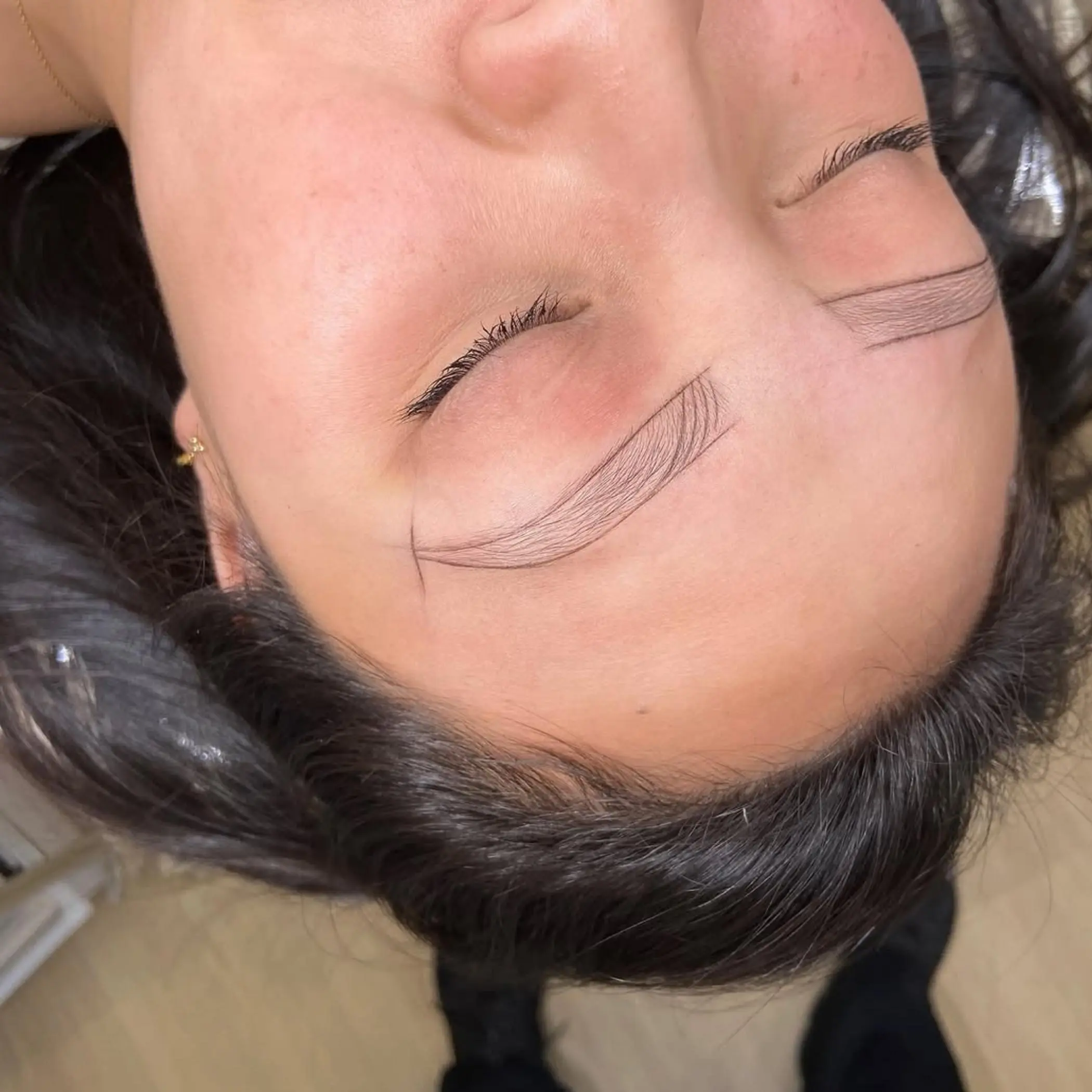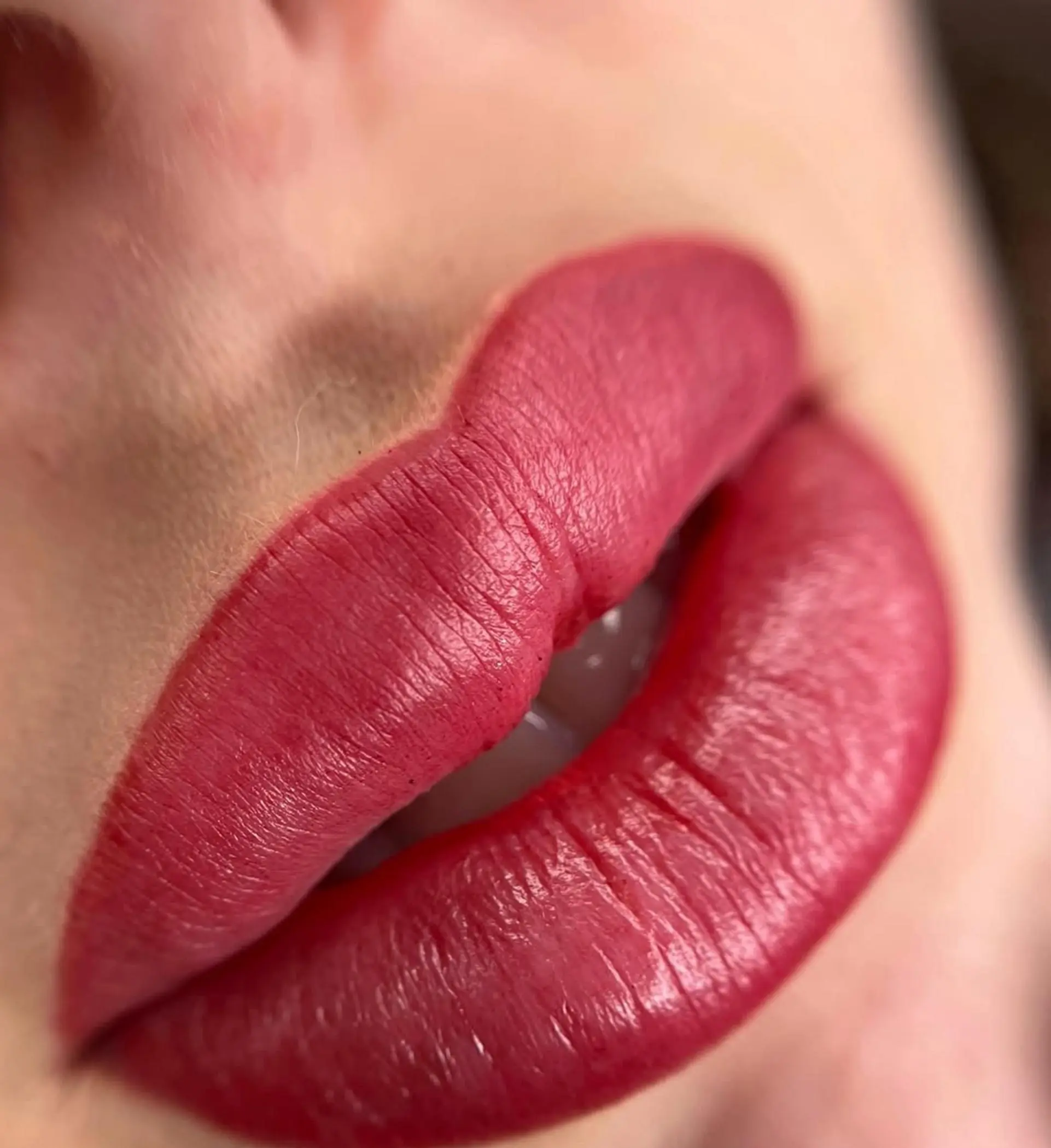
Ocean-safe eyebrow tattoo pigments – a claim that’s a lot trickier than it sounds. The bottom line is this: there is no official “ocean-safe” label for brow tattoo pigments that we can all trust, but there are definitely better options and studio practices that can give you peace of mind about what your skin and the environment are being subjected to.
I’m Olha Po, the founder of Cosmetic Tattoo Studio Melbourne Face Figurati, and I wish more studios would have straight-up conversations like this with their clients. If you are on the hunt for eyebrow tattoo pigments, microblading pigments or looking for something that’s gonna be kind to the planet, you need to get past the buzzwords and look for the actual details. Check the ingredients, certifications, safety data, and aftercare advice the studio offers. I mean, especially if you live in a place like Melbourne, where you spend a lot of time at the beach, and plan on going for a swim after getting your brows done.
A Better Way To Read Pigment Claims
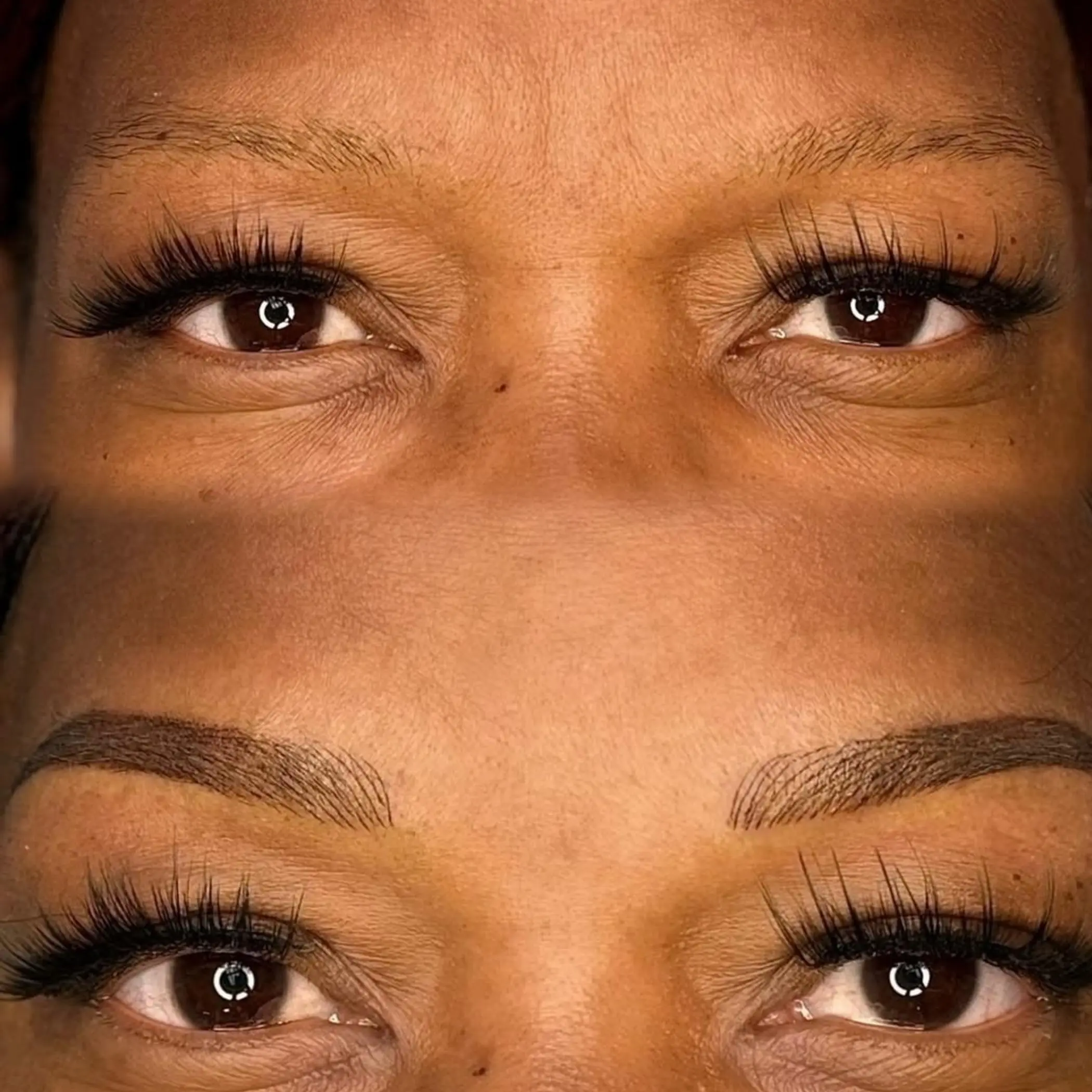
We get a lot of clients coming in asking for “natural” or “non-toxic” brows – and I totally get it. Nobody wants to put mystery stuff on their face, and nobody wants to hear some salesperson just spinning a line. When it comes to tattoo pigments that will be kind to the planet, we need to ask not “is it ocean-safe?” but “what’s actually in it, what does the safety data say, and how do they use and heal it?” – that’s a lot more honest.
What Ocean-Safe Usually Means
For us brow folk, “ocean-safe” usually means looking for pigments that are super low-risk for contaminants, don’t have too many worrying additives, and are generally safer to use for everyone. Some people also want to know whether their pigments are vegan and heavy-metal-free. What often catches people off guard is that a pigment might be perfectly safe for use on a face like yours, but that doesn’t necessarily mean it’s harmless to the ocean in every situation. You won’t always be able to get clean data on ecotoxicity, so be wary of anyone making super confident claims.
Why The Label Alone Is Not Enough
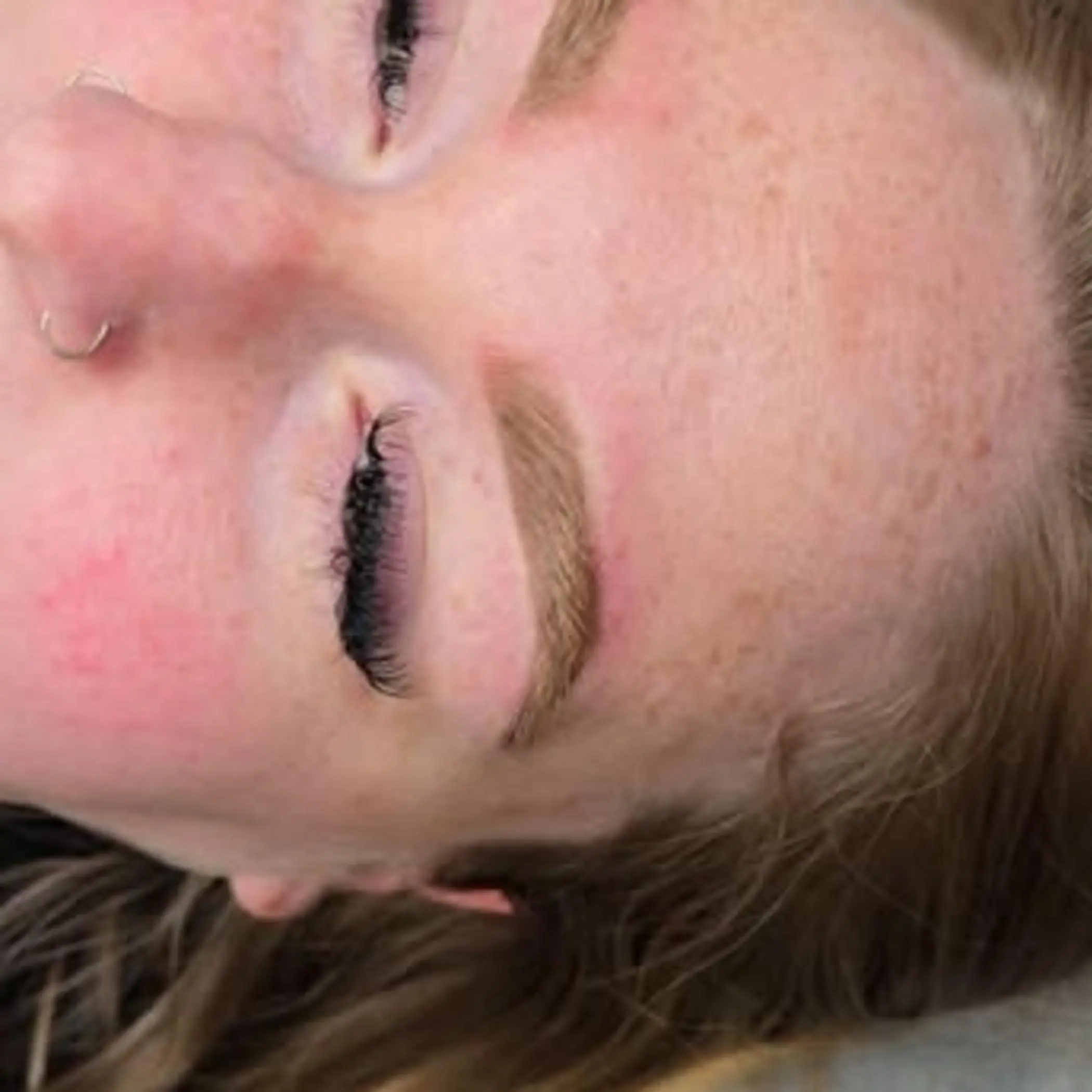
I’ve had clients come in from other studios who’ve said they’ve been given “organic brow pigments“, like that’s the end of the story. Newsflash: it’s not. It just means the pigment is organic, as in chemistry speak, it doesn’t mean its automatically safe for the ocean or better for everyone. There are a whole other bunch of factors at play here. In reality, the safest choice usually comes down to working with a reputable manufacturer, using a clean formula and proper storage, getting proper consultation, and knowing how to handle the pigments over time. Don’t believe the marketing hype.
What Safer Brow Formulas Share
Want a brow pigment that’s cleaner and lower-risk? I look for certain features in products that help me separate the good from the bad. They won’t make the pigment perfect, but they do tell you which ones to trust.
At Face Figurati, I care a lot more about things like consistency, how well a product heals, and whether I can actually get my hands on decent documentation. Let’s be real, trendy packaging doesn’t mean much.
Iron Oxides And Modern Blends
Many brow tattoo pigments use iron oxide or a mix of iron oxide and organic pigments. Iron oxide is great for soft, natural healed tones – you’ll see it a lot in powder brow vs microblading pigments, especially if a client wants to avoid a harsh colour change. For a natural look, hybrid brows are becoming increasingly popular.
Organic pigments, on the other hand, can give a brighter colour payoff, but they can be a bit temperamental. Behaviour can change over time depending on factors such as skin type, sun exposure, oiliness, implant depth, and other variables. And let me tell you, one of the biggest issues I see is how they fade and change colour in the real world – especially in Melbourne, where I deal with clients who go from dry heat to wind to workout gear to weekend beach trips.
What To Check On The Bottle
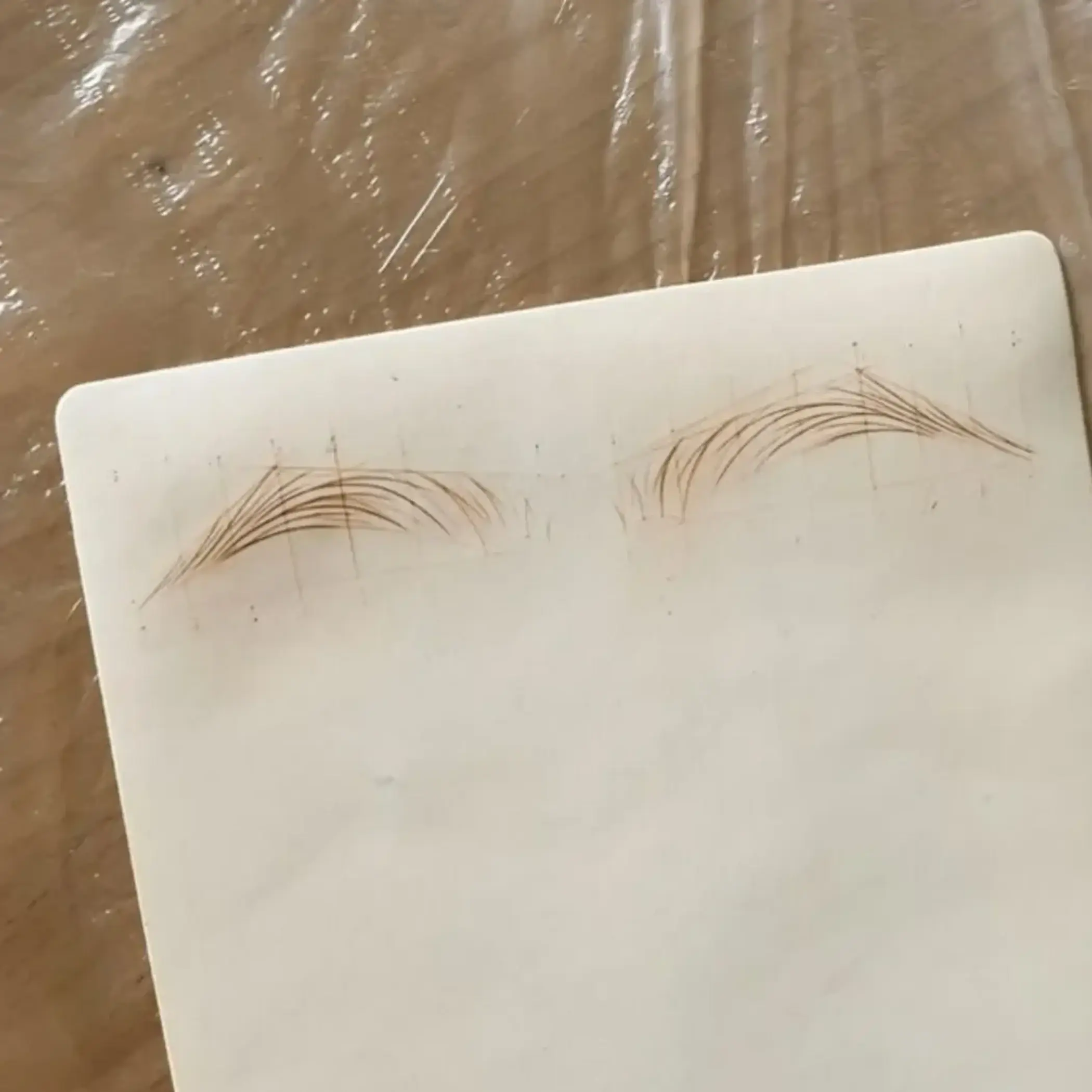
Check if the pigment is heavy metal-free and if the manufacturer has low contaminant levels – I also like it if they provide a Safety Data Sheet. Ask about CE-certified pigments – and if the manufacturing process follows ISO 9001. Oh, and can they give you the ingredient and batch info? It’s worth asking.
Here is a pretty practical way I explain it to my clients:
| Feature | Why It Matters | What To Ask |
| SDS | Shows handling, composition, and safety information | Can I view the current pigment safety SDS? |
| CE | Indicates conformity claims for relevant standards | Is this product CE certified? |
| ISO 9001 | Signals quality-managed manufacturing processes | Is the factory ISO 9001 certified? |
| Heavy Metal Statement | Helps assess contaminants like lead, mercury, and cobalt | Do you have data on heavy metals? |
| Vegan Status | Useful for ethical and sensitivity-based choices | Is the pigment vegan and cruelty-free? |
How Healing Affects Ocean Exposure
People tend to rush in, then frantically call up the studio from Sorrento three days later and act frantic. And even with the best eyebrow tattoo pigments chosen, the fact is you’re still dealing with a controlled skin injury when you get a cosmetic tattoo, and the healing process is just as important as the ingredients used.
If you’re planning a holiday, a surf trip, a dip in the pool or a week at the spa, you’re going to want to get your timing just right.
When To Avoid Swimming
For most of my clients, I would advise against swimming or exposure to ocean or pool water for at least 10 to 14 days. And if healing is slow, it might be even longer. Swimming too soon after getting a tattoo, such as microblading or powder brows, will increase the risk of irritation and infection, and some of the pigment may appear a bit patchy. Your porkies may look great at first, but fading and uneven retention can set in, especially if you get in the water too soon.
If you only have time for one session before an event, be realistic about it – your priority should be getting the basics right, like getting the shape right and choosing a colour that will look decent for a short time, rather than expecting a perfect long-term finish. Most brow tattoos need a second session to get them just right, around 6 to 8 weeks down the track.
Realistic Healing Stages
Everyone heals differently. Oily skin, hot weather, the odd skincare product, the sun, plus the dry, windy weather we get in Melbourne – all these things can affect how long it takes your skin to heal.
| Stage | Typical Timing | What You May Notice |
| Fresh | Day 1-3 | Brows look bolder, slight tenderness |
| Flaking | Day 4-10 | Dryness, light scabbing, uneven tone |
| Quiet Phase | Day 10-21 | Colour looks lighter than expected |
| Settled | Week 4-6 | More even healed colour appears |
| Touch-Up Review | Week 6-8 | Adjust depth, density, and any gaps |
How To Vet Your Studio
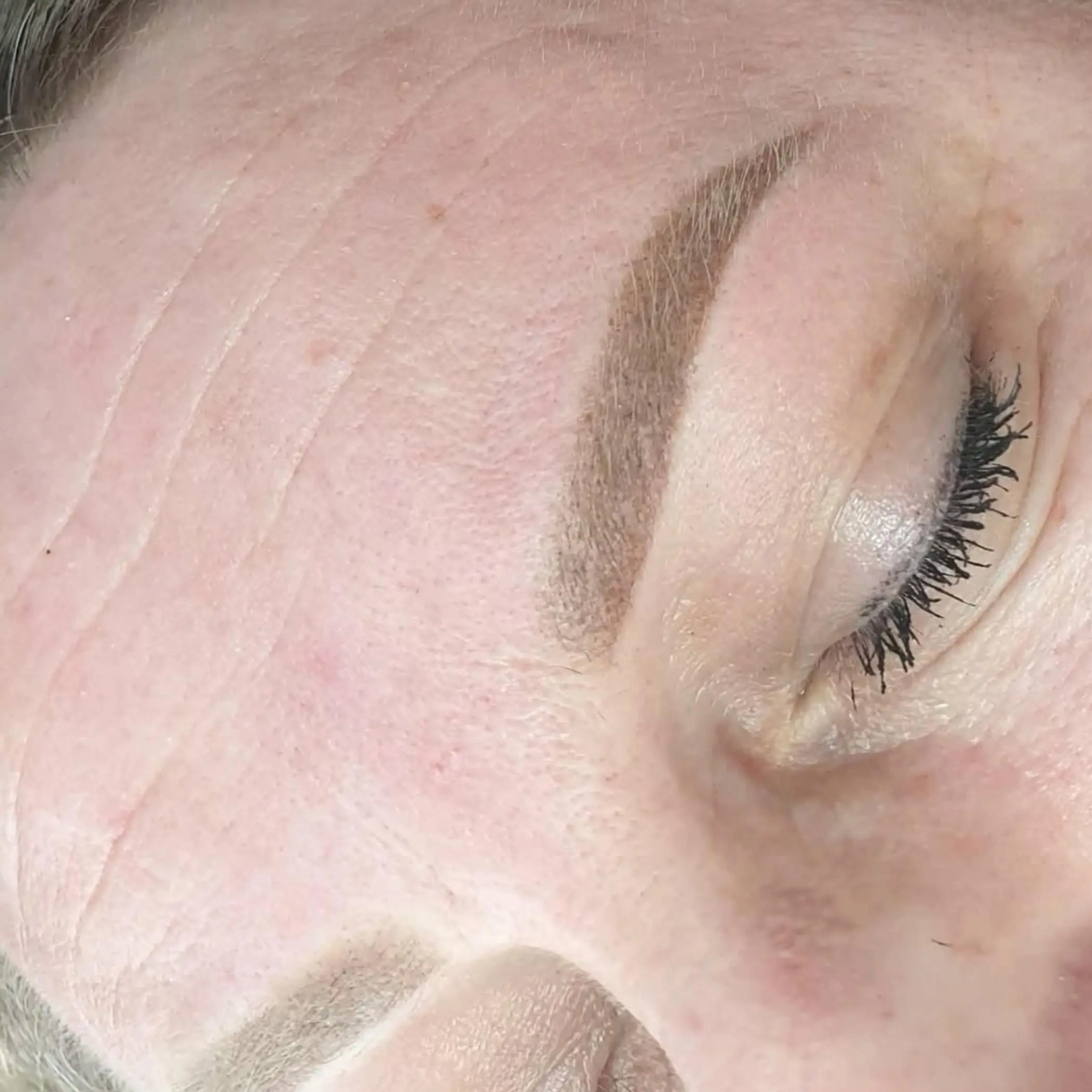
When it comes down to it, the hard work of researching studios starts to pay off here. If a studio can’t even be bothered to give you a straight answer about what they use, how it works, and why they chose it – well, that’s a pretty clear sign to keep looking.
At Cosmetic Tattoo Studio Melbourne Face Figurati, we craft each brow plan to fit the individual – skin type, undertone, lifestyle and healing history are all factored in. And to be honest, that’s a whole lot more important than just copying whatever’s trending on social media right now.
Your Quick Checklist
Can you get a look at the Safety Data Sheet for the pigment they use? Don’t even get started until they can show you that.
Are the pigments they use vegan, and is contaminant data readily available? Can they give you the lowdown on all that?
Is their gear CE certified? Do they follow ISO 9001? Do they give you any idea what their supply chain is like?
How do they decide between powders and microblading pigments? Is it just based on whatever’s popular this month, or do they actually have a plan?
How do they deal with allergies and sensitivities? And what about colour correction cases – do they have any clue how to sort you out if your colours don’t match?
Aftercare is key – especially when it comes to sweating, sun and swimming – make sure they’ve got a plan in place for all that.
Brands And Pricing Context
There are heaps of big-name brands floating around in Australia – names like Perma Blend, Tina Davies, PhiBrows, GH Microshading, Golden Brows, Ellebrow and iBrow to name just a few. Now I know some people might think that brand recognition is the key, but let me tell you – documentation, artist skill and training all trump the logo on the bottle.
In Melbourne, for example, you can expect to pay anywhere from about $450 to $900 AUD for a brow tattoo service – and corrections are just going to cost more. Of course, better pigments, proper setup and experienced technique all come at a cost, but at the end of the day, you get what you pay for. And let me tell you – cheap work is often super expensive to fix later on down the line. I’ve seen that story play out more times than I can count.
The Truth About Long-Term Wear
Most people get this one completely wrong – the idea that there’s one and only one ‘best’ pigment for brows in Australia. The truth is, it depends on your skin type, what you’re trying to achieve with your colour, and, of course, the actual technique. A mature client with dry skin might be best suited to one approach, while someone with oily skin who wants crisp hair strokes will need a completely different conversation.
I had a client who had previously had over-warm brows done and thought she needed a darker pigment to fix them. But the truth was – nope – she needed a completely different approach to get the look she wanted. That’s what separates the experienced pros from the newbies.
Expectation Vs Reality
Fresh brows are always going to look a lot stronger than they do when they’ve healed – that’s just normal.
If you have very oily skin, microblading pigments might not even hold up evenly.
Iron oxide formulas can still shift if you’re not following your aftercare instructions and the pigment depth isn’t right.
One session might sort out the shape of your brows, but it’ll usually take a couple of touch-ups to get the result you want.
And, yeah, not everyone is going to be a good candidate for a brow tattoo right now – especially if you’re pregnant, have a medical condition, are using something that can cause skin irritation or have a history of poor wound healing.
Book With Eyes Open
If you’re on the hunt for ocean-safe eyebrow tattoo ink, here’s the unvarnished truth: look for products that are low on the risk scale and have a solid reputation. Don’t fall for miracle cures, and instead ask the tough questions – and get a technician who’s willing to tell you the not-so-glamourous facts, not just the sales pitch.
Still not sure if a brow tattoo is the right call for you? Get in touch with Face Figurati, and I’ll be happy to walk you through it all. A good consultation should leave you with a clearer head, not more questions.
FAQ
Can I Hit the Beach After an Eyebrow Tattoo?
Not right away. Try to avoid getting in the water, whether it’s the ocean or your pool, for anywhere from 10 to 14 days – and don’t swim until the skin is as good as new.
What’s the Most Natural-Looking Eyebrow Job?
Well, it’s really all about your skin type. For people with oily or mature skin, powder brows can look pretty natural and heal a lot more evenly than microblading. Still plenty soft and subtle.
Is There Such a Thing as a Safe Eyebrow Dye?
Sorry to say it, but no product is completely risk-free – nobody’s skin is the same. What you’re looking for is a pigment that’s been carefully chosen by a pro, has all the necessary safety data sheets (SDSs), is made in a reputable factory, and is safe for people with your skin type.
Can I Swim With a Tinted Brow?
You can swim once you’ve fully set, but with fresh tattooing its a different story – your newly tattooed brows need a chance to fully heal before hitting the water.
Does Being Vegan Mean Your Eyebrow Ink is Ocean-Friendly?
No way. While going vegan might be a great choice for your conscience, it doesn’t guarantee that it’s low on environmental impact or completely safe for the ocean.